


On September 28, 2026, U.S. Senator Ron Johnson hosted a congressional roundtable titled COVID-19 Hospital Protocols: Real Stories from Real People, examining patient mistreatment and controversial hospital policies during the COVID-19 crisis.
Among the speakers was Dr. James P. Miller, a physician and surgeon from Everett, Washington, who delivered powerful firsthand testimony about hospital misconduct, misleading public reporting, discrimination against “unvaccinated” patients, and retaliation against medical professionals. His account offers an important perspective from a physician who witnessed these events from inside the healthcare system and refused to remain silent.
A special thank you to Lori Dubeau for bringing this important testimony to our attention through her comment on our Substack, where she shared the video.
About Dr. James Miller
Dr. James P. Miller is a board-certified American physician and surgeon with more than 25 years of medical experience, specializing in general surgery, trauma, and surgical critical care. He earned his medical degree from Loma Linda University School of Medicine in 2000 and completed his surgical residency at UCSF Fresno in 2006. He is also a Fellow of the American College of Surgeons.
From 2014 to 2022, Miller served as a senior surgeon at Providence Regional Medical Center Everett in Washington, where he treated hundreds of COVID-19 patients and conducted independent ICU quality reviews. His experiences during the “pandemic” led him to expose alleged medical misconduct and advocate for patients denied care. Today, he practices concierge primary care in South Florida, emphasizing individualized treatment, prevention, and whole-person health.
Exposing Hospital Misconduct
During COVID-19, Dr. James P. Miller occupied a unique position within the hospital system, combining direct patient care with independent investigations into ICU practices. His responsibilities allowed him to examine not only patient outcomes but also the decisions and conduct of hospital administrators. Through these reviews, he testified that he uncovered fraud extending to senior hospital leadership, which he subsequently reported.
In May 2024, Dr. Miller filed a sworn attestation documenting the misconduct he personally witnessed, including harmful treatment protocols, misleading public reporting, and institutional retaliation. The document was subsequently sent to attorneys general and governors across all 50 states, seeking criminal investigations into COVID-era wrongdoing.
Remdesivir and Harmful Protocols
One of Dr. Miller’s most troubling revelations concerned remdesivir, a drug widely administered to hospitalized COVID-19 patients. He testified that hospital leadership provided misleading information about the drug after it was supplied by federal authorities. Dr. Miller recalled treating a young trauma patient who appeared to qualify for remdesivir under the prevailing treatment guidelines.
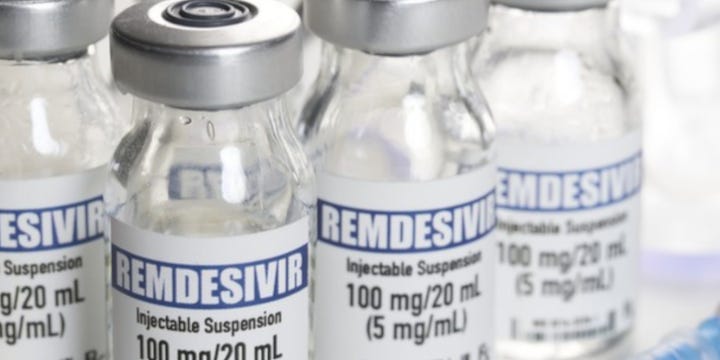
However, the infectious disease physician on call privately advised him against administering it. This exchange suggested that some physicians privately recognized serious concerns while official protocols continued encouraging its use. Dr. Miller maintained that the available evidence should have exposed remdesivir’s dangers much earlier, and that its harms outweighed its benefits.
Inflated COVID Deaths and Misleading Headlines
Dr. Miller challenged the public narrative surrounding hospital overcrowding and COVID-19 mortality. He testified that his hospital was portrayed as overwhelmed even while nurses were being sent home due to a lack of patients. According to Dr. Miller, the institution never experienced the equipment or staffing shortages described in alarming media reports.
He also stated that patients who died from trauma and unrelated conditions were classified as COVID-19 deaths on their death certificates. Additionally, he criticized masking and protective equipment protocols, arguing that they lacked scientific justification and dehumanized patients and healthcare workers. These allegations raise serious questions about the accuracy of “pandemic” reporting and the institutional decisions that created fear in the public.
“Unvaccinated” Patients Denied Medical Care
Among Dr. Miller’s most disturbing revelations were accounts of intentional discrimination against patients who declined COVID-19 injections. He described how the hospital’s head of infectious disease medicine discussed working with state authorities to restrict “unvaccinated” individuals’ civil rights, including making driver’s licence renewals conditional on COVID-19 “vaccination” status. Miller further testified that physicians refused to treat “unvaccinated” patients with the knowledge and approval of senior medical leadership.
In response, Dr. Miller established a free clinic through his local church, which subsequently became a licensed medical facility. He described positive clinical experiences with treatments including ivermectin, hydroxychloroquine, vitamin D, zinc, quercetin, and physical exercise. These treatments were nonetheless suppressed or censored by medical societies, pharmacists, social media platforms, the press, and public health agencies.
Retaliation Against Physicians Who Spoke Out
Dr. Miller testified that exposing fraud and advocating for patients made him a target of institutional retaliation. He described repeated disciplinary proceedings, sham peer reviews, and threats intended to revoke his medical licence and end his career. Some proceedings even involved threats of arrest.
Despite these pressures, he successfully defended himself and retained his professional standing. He also witnessed other healthcare professionals remain silent about harmful practices or face exclusion from their medical communities.
Accountability Now Essential
Dr. Miller concluded by demanding accountability from hospital executives, physicians, and public health officials responsible for implementing the policies he challenged. His testimony presents a disturbing picture of a healthcare system in which institutional compliance displaced medical judgment, patient welfare, and professional integrity.