


Introduction
Cancer is increasingly being understood not as a purely genetic disease, but as a disorder of metabolism rooted in mitochondrial dysfunction. In this interview, Dr. Paul Marik outlines a shift that challenges the dogmas around both treatment and prevention. Rather than relying exclusively on chemotherapy, radiation, and surgery, this emerging model targets the metabolic weaknesses of cancer cells through diet, repurposed drugs, and targeted compounds. The result is a fundamentally different approach that aims to weaken the disease while improving the overall health of the patient.
About Dr. Paul Marik
Dr. Paul Marik is a pulmonary and critical care specialist, co-founder of the FLCCC, and its Chief Scientific Officer. Trained at the University of the Witwatersrand, he has held roles including tenured Professor of Medicine and Chief of Pulmonary and Critical Care at Eastern Virginia Medical School.
He has authored over 500 peer-reviewed papers, 80+ book chapters, and several textbooks, with more than 40,000 citations. Marik developed the HAT protocol for sepsis and contributed to the MATH+ protocol during COVID-19. He is widely respected for advocating evidence-based medicine and defending clinical judgment under institutional pressure.

This interview with Dr. Paul Marik is rich with insights, but we know time is limited. Below is a concise summary highlighting the key takeaways from our discussion for your convenience.
The Growing Threat of Cancer
Cancer is rapidly becoming the dominant disease of modern life. Dr. Marik describes how its incidence has risen sharply over the past decade, with projections suggesting that one in two men and one in three women will develop cancer. This trend predates the COVID “vaccines,” though it has certainly been significantly exacerbated by them. Now, risk factors are being properly recognized as part of a shared metabolic environment which increases cancer risk over time.
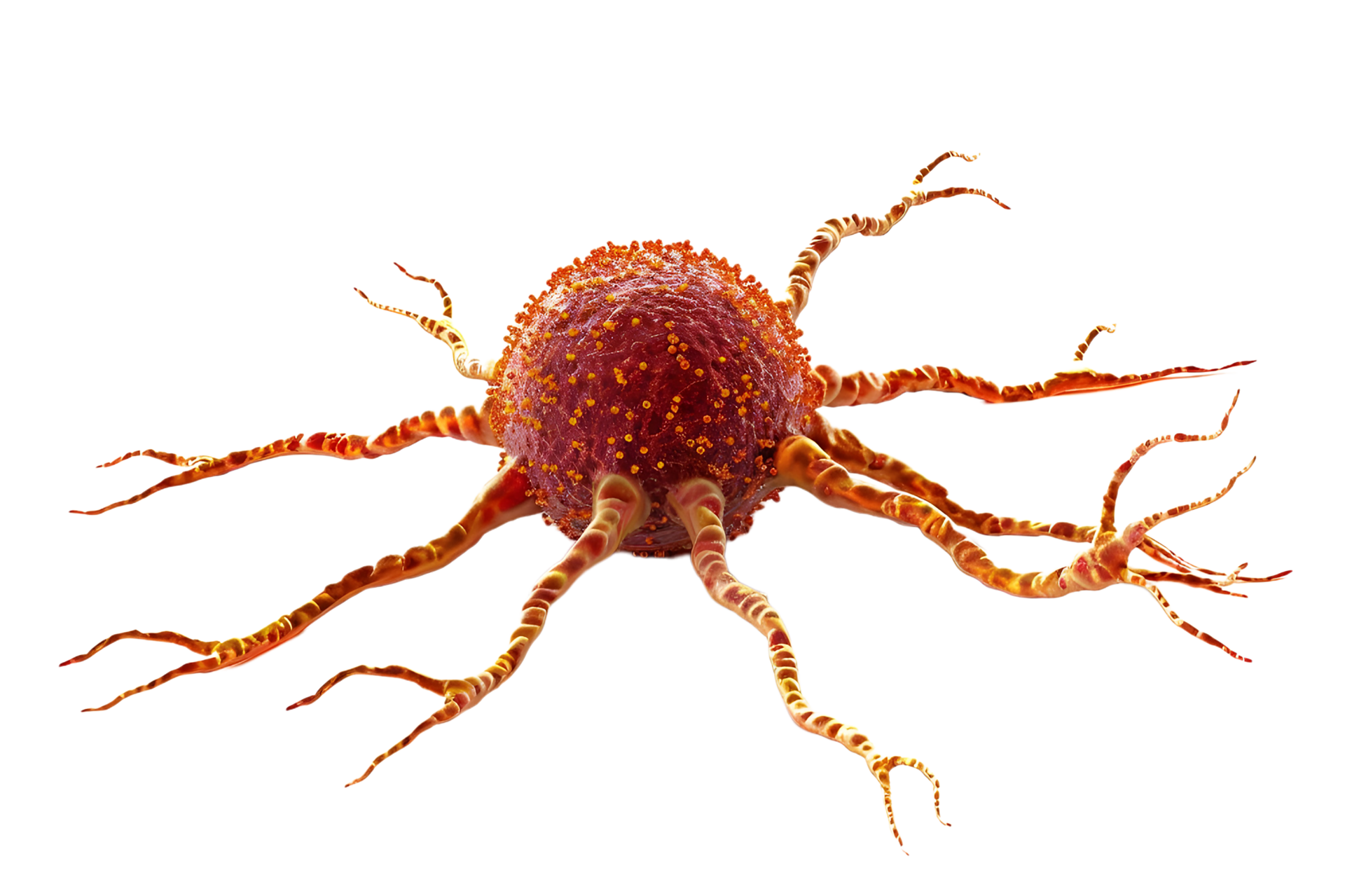
The primary drivers include:
metabolic syndrome and type 2 diabetes
poor diet, particularly high intake of processed foods and sugars
environmental toxins and radiation exposure
chronic inflammation driven by lifestyle and diet
COVID genetic injections
These factors interact and compound, gradually reshaping the body’s internal terrain in a way that encourages immune dysfunction. Against this backdrop, the limitations of conventional oncology become more visible. The standard treatments remain largely centered on destroying rapidly dividing cells, often at the cost of the patient’s immune system and overall vitality—the very things needed to fight cancer.
Moving Beyond the Mutation Theory
Dr. Marik explains that for decades, cancer has been explained through the somatic mutation theory, the idea that genetic errors accumulate until a cell becomes malignant. This model still dominates clinical practice, largely because it aligns with chemotherapy, which targets DNA replication. However, this framework is increasingly being challenged by evidence pointing to a deeper origin of disease.
The primary dysfunction appears to lie not in the nucleus, but in the mitochondria. When mitochondrial energy production breaks down, the cell is forced into a survival mode, relying on inefficient glucose fermentation rather than normal oxidative metabolism.
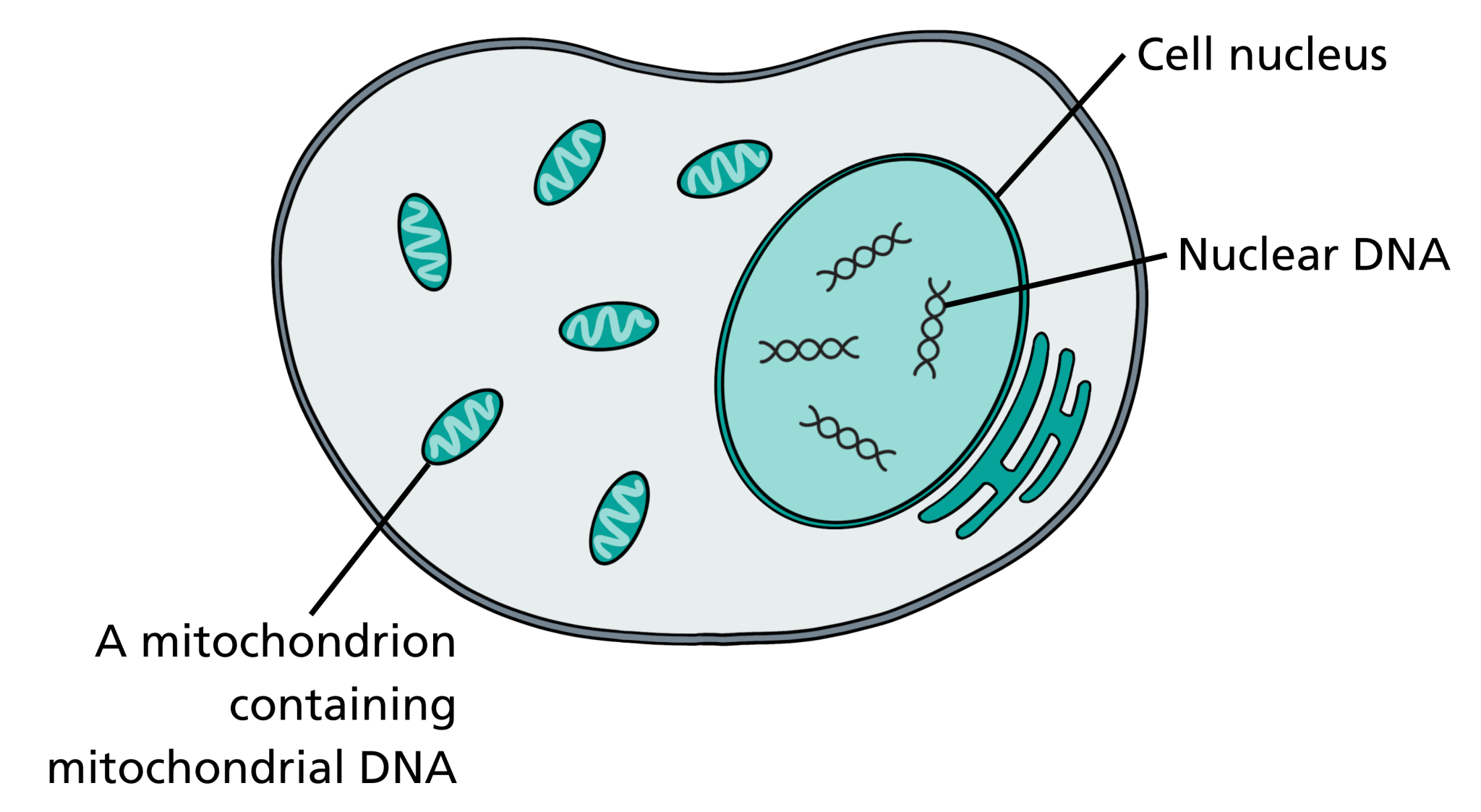
This phenomenon, known as the Warburg effect, was first described by Otto Warburg, who observed that cancer cells preferentially ferment glucose even in the presence of oxygen—a striking departure from how healthy cells generate energy. His work earned him the Nobel Prize in Physiology or Medicine in 1931 and laid the foundation for understanding cancer as a metabolic disorder rather than a purely genetic one. Today, this metabolic shift is observed across virtually all cancers and highlights the need for a fundamental reorientation in how the disease is understood.
Exploiting Cancer’s Glucose Dependence
As Dr. Marik explains, cancer cells are metabolically inflexible. Unlike healthy cells, which can shift between fuel sources depending on availability, cancer cells become heavily dependent on glucose to survive. This dependence creates a fundamental vulnerability that can be strategically exploited. By reducing glucose availability, it becomes possible to place cancer cells under sustained metabolic stress while leaving normal cells largely unaffected.
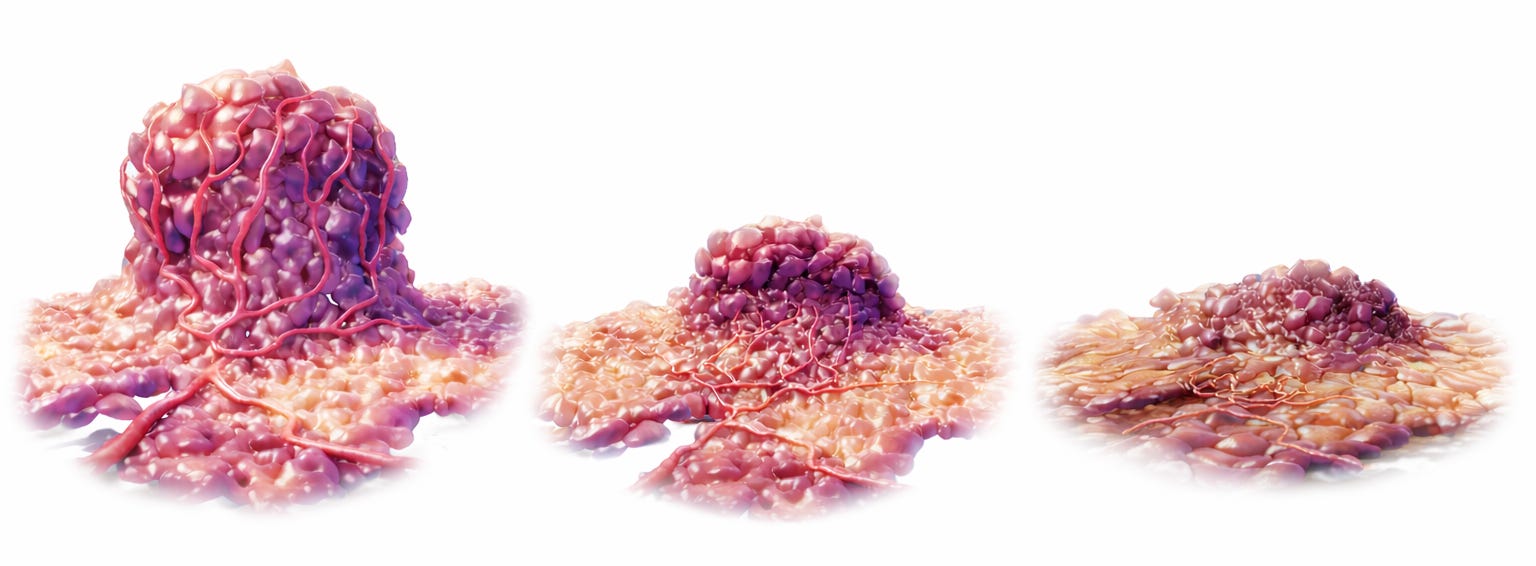
Within this framework, Dr. Marik emphasizes the central role of dietary intervention, particularly carbohydrate restriction and ketogenic strategies (a metabolic state typically achieved through a low-carbohydrate, high-fat diet, where the body burns fat and produces ketones instead of relying on glucose). As the body shifts toward ketone metabolism, healthy cells adapt and continue to function efficiently, while cancer cells, unable to effectively use ketones, are left without a viable energy source. This produces a selective pressure that weakens malignant cells without imposing the same burden on healthy tissue, aligning treatment with the body’s natural metabolic flexibility rather than working against it.
A Multi-Targeted Approach to Treatment
Diet alone is not presented as a cure-all, but as the foundation of a broader strategy. Dr. Marik describes a multi-axis metabolic approach in which multiple pathways are targeted simultaneously, preventing cancer cells from adapting or finding alternative energy sources. This approach combines dietary intervention with compounds that interfere with cancer metabolism at several levels, creating sustained pressure across the system.
Key components of this strategy include:
repurposed drugs such as metformin, mebendazole, and ivermectin, selected for their metabolic effects rather than their original use
targeted nutraceuticals like curcumin and green tea extract, which disrupt critical cellular pathways
coordinated use of multiple agents to block adaptation and reinforce metabolic stress
The advantage of this model lies in its holistic and broad mechanisms. Instead of attacking a single pathway and allowing the cancer to compensate, it closes off multiple avenues simultaneously, reducing the cell’s ability to survive or evolve resistance.
Rethinking the Role of Conventional Therapies
Dr. Marik does not advocate for abandoning conventional oncology altogether. He suggests that surgery may have a role in reducing tumor burden. However, he raises concerns about the dominance and universal application of high-dose chemotherapy and radiation, especially given their profound impact on the immune system. These treatments often destroy the very cells responsible for controlling cancer, creating a contradiction at the heart of conventional care.
A more balanced approach, integrating metabolic strategies alongside selective conventional therapies, may offer a more effective path forward. This requires a shift toward collaboration, though in practice it is often met with institutional resistance.
Prevention Is Not Optional
An important element of this framework is its emphasis on prevention. Cancer risk is not fixed, and there are measurable ways to reduce it. Dr. Marik highlights a simple combination of vitamin D, omega-3 fatty acids, and regular exercise, shown in controlled research to significantly lower cancer incidence. This reinforces the idea that prevention does not require complex interventions, but it does require consistency.
Diet remains central to this effort. The modern reliance on processed foods, refined sugars, and industrial seed oils has created a metabolic environment that promotes disease. Reversing that trend means returning to whole foods, prioritizing stable energy sources, and reducing the constant glucose spikes that drive dysfunction over time.
In practical terms, this involves:
minimizing refined carbohydrates and sugars that drive insulin and glucose spikes
eliminating industrial seed oils such as canola, soybean, and sunflower oil
prioritizing whole, unprocessed foods including meat, fish, eggs, and vegetables
incorporating healthy fats such as butter, olive oil, and animal fats
maintaining consistent meal patterns that avoid constant snacking and metabolic instability
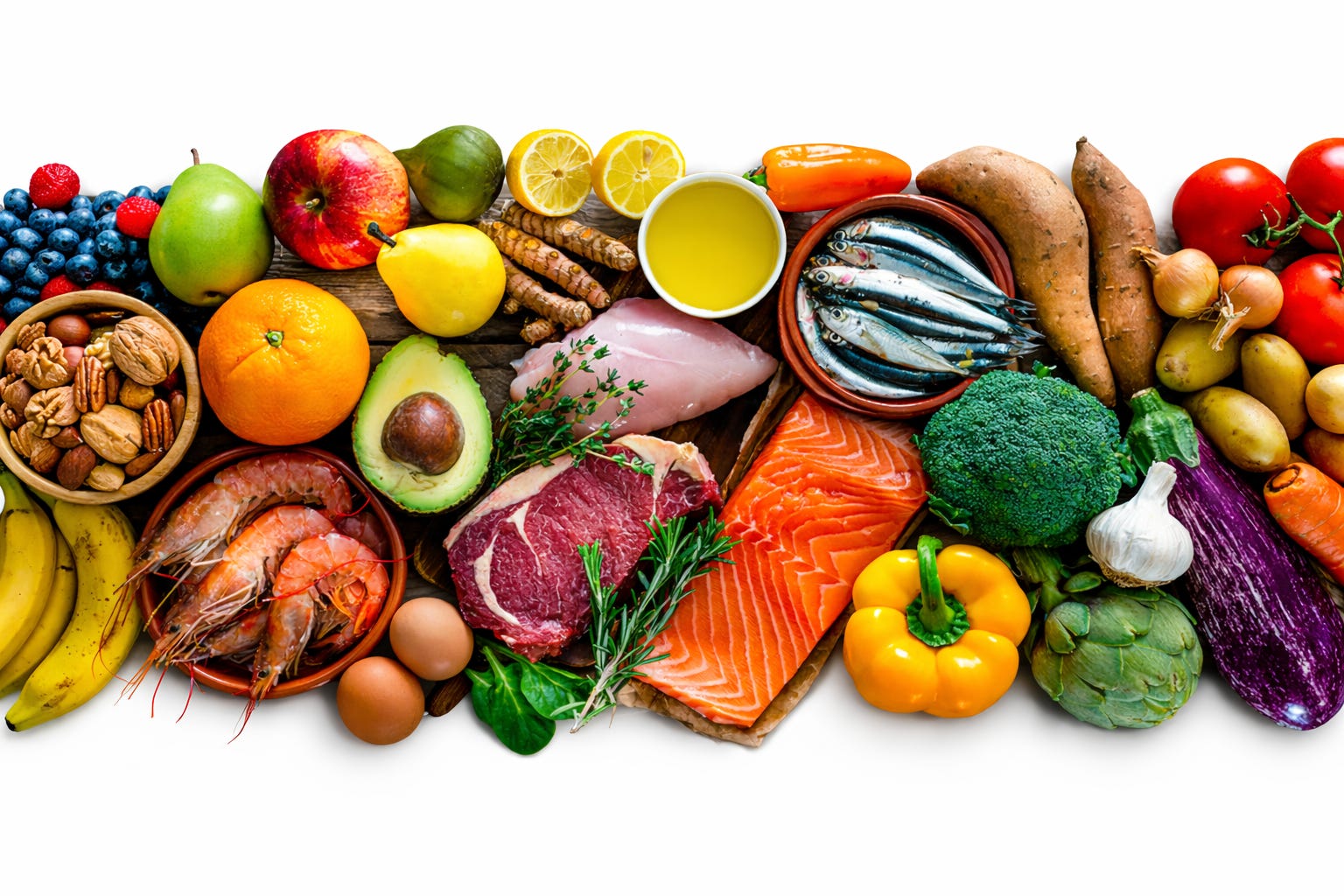
Taken together, these shifts move the body away from a glucose-dependent state toward a more stable metabolic baseline, one that supports long-term health and reduces the conditions under which disease is most likely to develop.
A Balanced Approach
Underlying all of this is a broader structural issue within modern medicine. As Dr. Marik makes clear, progress in cancer care will require oncologists and patients alike to move beyond entrenched ideas and engage more directly with emerging metabolic evidence.
This shift will be difficult. However, as patients develop greater discernment and agency in their medical decisions, the pendulum will begin to swing back toward true scientific reasoning. We must reject the institutionalized and profit-oriented models that have come to dominate the medical industry, and return to a framework grounded in evidence, open inquiry, and patient-centered care. Only then can new approaches, such as metabolic therapies, be properly evaluated and integrated… not as a final hope, but a legitimate avenue for healing.
Additional Resources
Thomas Seyfried (2014) Cancer as a Metabolic Disease: Implications for Novel Therapeutics, Carcinogenesis. Link↗
Thomas Seyfried (2015) Cancer as a Mitochondrial Metabolic Disease, Frontiers in Cell and Developmental Biology. Link↗
Otto Warburg (1956) On the Origin of Cancer Cells, Science. Link↗
Paul Marik & Hope J. (2025) Preventing Cancer: The ROOT Protocols, Journal of Independent Medicine. Link↗
Paul Marik et al. (2025) COVID-19 mRNA-Induced “Turbo Cancers”, Journal of Independent Medicine. Link↗
This was a very informative interview with Dr, Paul Marik whom many of us follow (IMA).
My MD has announced that he is quitting his practice and that he is no longer a "mainstream doctor." He has been studying metabolic medicine since 2023 (incidentally the same year he learned that I had healed from osteoporosis based on detailed advice from my Naturopathic Doctor). He has also mentioned the extent of corruption that exists in the medical industry and he now knows about autophagy and epigenetics!
He has stated that the ranges in blood tests are often "wrong" and vary among countries. One example: the A1C test. The pre-diabetic range based on his studies start at 5.5 and not 6.0 (Canada). He is advising his patients on how to lower their A1C test results - not through drugs but through diet and lifestyle. This is encouraging as he seems to be moving towards integrative/functional/natural medicine (not covered by our medical care system). We get what we pay for!
It would be helpful if people could understand the importance of organic food and staying away from food originating from industrial farms. The toxins in the plants and animals people eat are a major contributor to chronic diseases. Supporting our local farmers is not only good for us. It is good for them, the animals they raise, the produce they grow and the entire planet. And, it makes for beautiful relationships with our farmers who are being decimated as part of Agenda 2030 and the New World Order.
Must watch: the National Citizens Inquiry - 2026 Hearings: Are Farmers Safe in Canada.
Thank you, great information