


Introduction
Canada’s “medical assistance in dying” (MAiD) framework has expanded rapidly since its legalization in 2016, shifting from a narrow end-of-life measure to a broad system that includes non-terminal conditions, mental illness, and complex social factors. This analysis examines how MAiD operates in practice, from its legal foundations and expanding scope, to regulatory enforcement, reporting practices, and government documents that reveal conflicts of duty.
Please consider supporting our ongoing work to raise public awareness, uphold informed consent, and care for those who have been harmed. You can help by making a one-time donation or by becoming a paid Substack subscriber.
About Donald Best
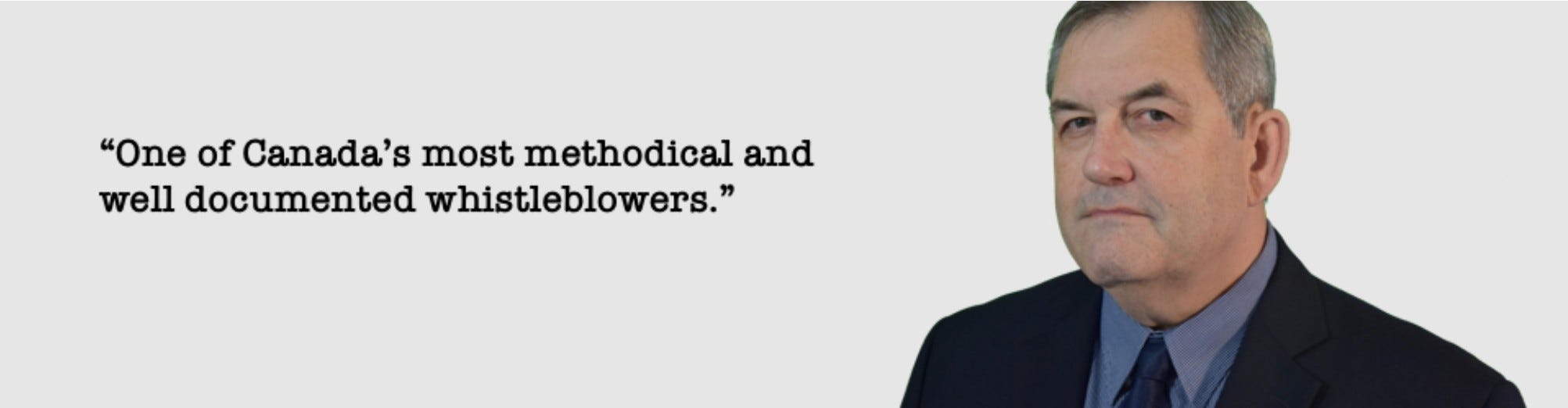
Donald Best is a former Sergeant (Detective) with the Toronto Police Service who spent 15 years conducting undercover operations and investigating organized crime—including corruption involving police, lawyers, and politicians. With over four decades of experience as an investigator and Certified Fraud Examiner, he has become one of Canada’s most persistent and methodical heroes in the resistance against tyranny. His work has come at significant personal cost, including 63 days in solitary confinement under false charges before being vindicated. Donald Best is the sole recipient of the 2018 Ontario Civil Liberties Award, and now operates as an independent journalist and filmmaker. He documents cases, supports whistleblowers, and advocates for transparency, accountability, and justice in Canada.

This video with Donald Best is rich with insights, but we know time is limited. Below is a concise summary highlighting the key takeaways from our discussion for your convenience.
Canada legalized euthanasia under federal law. In 2016, Bill C-14 amended the Criminal Code to permit “medical assistance in dying” (MAiD), removing the prohibition on euthanizing patients, subject to defined medical eligibility and approval processes.
MAiD should be recognized as euthanasia, not assisted suicide. Unlike U.S. models where patients must self-administer, Canada allows practitioners to directly administer lethal injections, making the state responsible for the act of killing.
Eligibility has expanded beyond end-of-life care. Under Bill C-7, MAiD now applies to individuals whose death is not imminent, meaning those with mental illness (including suicidal ideation) and non-terminal conditions.
The system is being examined through economic cost-benefit logic. Government projections explicitly calculate healthcare savings from increased MAiD use, positioning death as a cheaper alternative to care.
Canada is now a global leader in euthanasia rates. Per capita, the country ranks among the highest worldwide.
Vulnerable individuals are being directed toward MAiD. Cases include disabled individuals and veterans being offered euthanasia instead of basic supports such as mobility accommodations or treatment.
Lack of care is creating pressure toward euthanasia. Limited access to palliative care and disability support leaves many with fewer alternatives, making MAiD the more accessible option.
Regulatory bodies enforce compliance among physicians. The College of Physicians and Surgeons of Ontario instructs doctors to follow MAiD-related directives and physicians who refuse risk investigation, disciplinary action, and loss of their license to practice.
Death reporting practices obscure state involvement. Physicians are instructed to record the underlying conditions as the cause-of-death rather than MAiD.
Euthanasia procedures lack transparency and standardization. Drug combinations, dosages, and administration methods vary, with limited oversight, raising concerns about inconsistent and experimental practice.
Language is used to normalize the system. Terms like “medical assistance in dying” are used to soften the act of killing, shaping perception and reducing scrutiny.
I have heard stories of people being offered MAiD when all they asked for was pain management.
If we look at the bigger picture and the global agenda it is easy to see how the MAID program is just another part of the The Great Reset. The "parasite class" (military, intelligence, medical/pharmaceutical industrial cartel) is normalizing death as they have normalized illness and disease over the years. The plan is unfolding before our eyes. They create fear, cofusion and sadness which feeds their existence.