


Introduction
Recent dinosaur media coverage is once again saturated with alarming headlines, this time surrounding reports of a Hantavirus outbreak on a cruise ship, with three individuals reportedly dead. First and foremost, there is no justification for panic—despite the predictable atmosphere of fear now being amplified across media networks. The globalist manipulators never let a useful crisis go to waste, and they have shown they are willing to create one when it serves their dishonest and often deeply nefarious agendas. Through exaggeration, selective framing, and coordinated emotional messaging, public fear has repeatedly been used to manufacture compliance and expand institutional control.
That is why knowledge and logic matter. A population grounded in basic scientific understanding is far less vulnerable to deception and psychologically driven fear campaigns. Rather than reacting blindly to synchronized talking points, people are better positioned to make sovereign health decisions for themselves and their families. I want to take some time to share important scientific knowledge about this category of virus and address the context surrounding it.
Please consider supporting our ongoing work to restore human rights, uphold informed consent, and care for those who have been harmed. You can help by making a one-time donation or by becoming a paid Substack subscriber.
The Basic Science Behind Hantaviruses
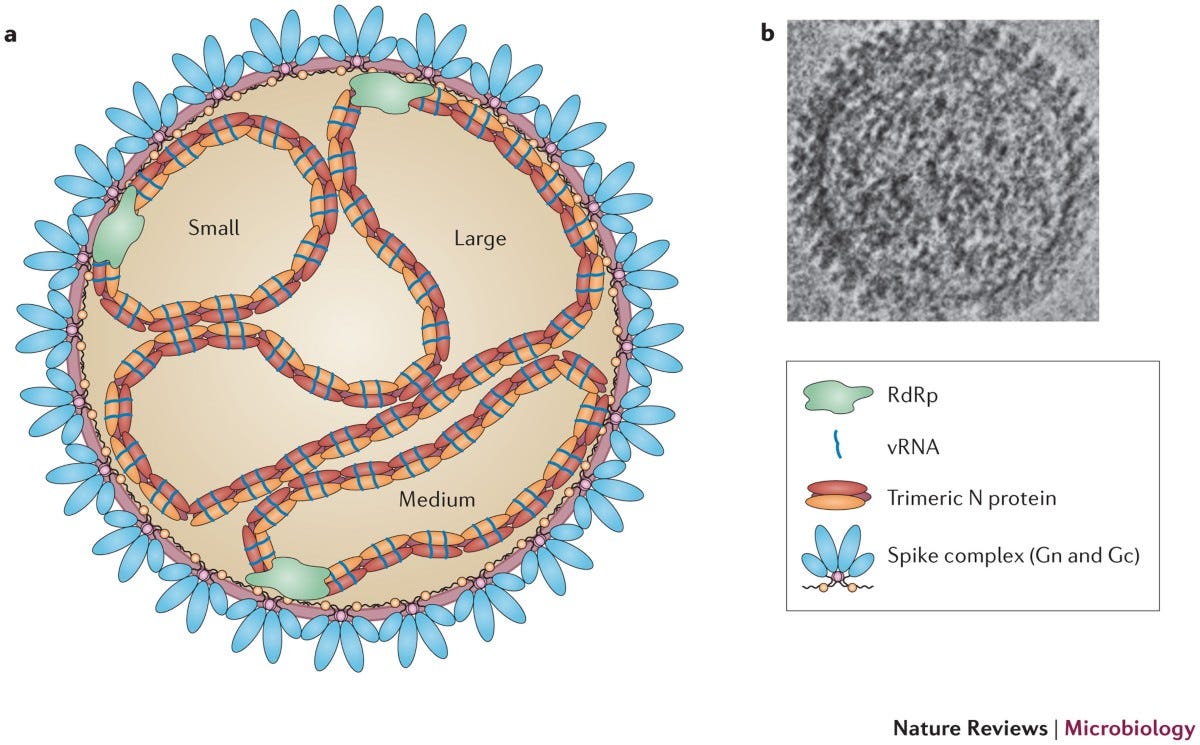
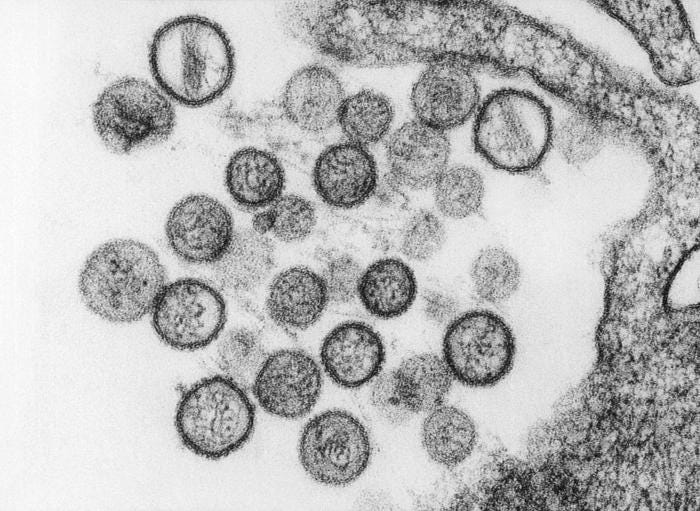
Hantaviruses are a broad family of negative-strand RNA viruses. They are enveloped, spherical viruses, roughly 80–120 nm in size, with a genome composed of three segments of negative-sense RNA.
The term “negative-sense” refers to the orientation of the viral RNA. In this form, the genetic sequence cannot be directly read by the host cell to produce proteins. Instead, a complementary positive-sense copy must first be generated by a viral enzyme before viral proteins can be synthesized.
In terms of human disease, only one genus within this broader family is of major significance: the Orthohantaviruses. More than 50 species within this group are known or suspected to infect humans.
These ortho-hantaviruses are generally divided into two major categories:
Old World hantaviruses are primarily found throughout Asia and Europe. They are associated with hemorrhagic fever with renal syndrome (HFRS), an illness involving fever, bleeding abnormalities, and kidney injury. The disease was first recognized clinically during the Korean War in the 1950s. Later, the prototype Hantaan virus was isolated from the striped field mouse (Apodemus agrarius) near the Hantaan River in South Korea.
New World hantaviruses are found throughout the Americas. Rather than primarily affecting the kidneys, these viruses mainly target the lungs and cardiovascular system. The disease is known as hantavirus pulmonary syndrome (HPS), or hantavirus cardiopulmonary syndrome (HCPS). These infections first drew major international attention during the 1993 outbreak in the Four Corners region of the United States involving the “Sin Nombre” virus, literally translated as the “virus with no name.”
Animal Reservoirs and Transmission
Hantaviruses are maintained naturally within rodent populations, and in some cases shrews or other insectivores, through persistent infections that are often asymptomatic in the animals themselves. Infected animals shed the virus through urine, saliva, and feces. These viruses have likely co-evolved with their hosts over millions of years.
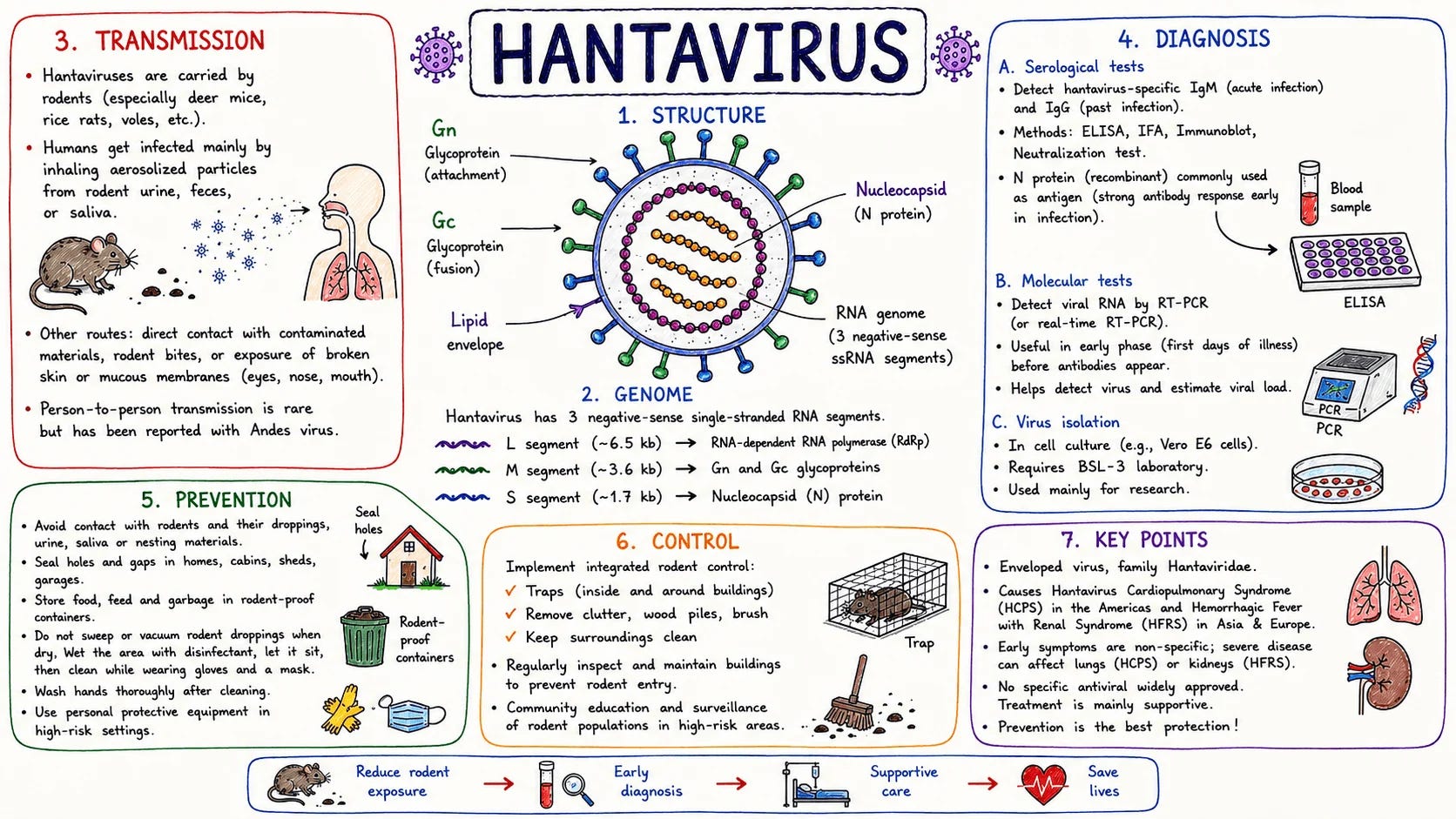
Human infection remains relatively rare. Most cases occur through inhalation of aerosolized particles contaminated with rodent urine, saliva, or feces. Sweeping dry rodent droppings in enclosed spaces such as barns, sheds, or cabins is a classic exposure scenario because it can launch infectious particles into the air. Transmission may also occur through direct contact with infected rodents, rodent bites, contaminated materials contacting broken skin, or infectious material reaching the eyes, nose, or mouth. Different rodent species in different geographic regions carry different ortho-hantaviruses.
Importantly, person-to-person transmission is extremely uncommon. The primary exception involves limited suspected transmission of Andes virus in South America through close contact with bodily fluids during symptomatic illness. Even in those cases, the virus does not appear to spread efficiently through the air like influenza or other highly contagious respiratory viruses. Transmission appears inefficient between people.
Pathophysiology
From a pathological perspective, hantaviruses primarily infect endothelial cells, the specialized cells lining capillaries and small blood vessels. Much of the resulting disease stems less from direct destruction caused by the virus itself and more from the body’s own immune response. Key pathological features include capillary leak syndrome, thrombocytopenia (low platelet counts), endothelial dysfunction, and excessive immune activation.
In Old World hantavirus disease, HFRS primarily affects the capillaries of the kidney medulla, the inner core of the kidneys. Patients may progress through several phases involving fever, low blood pressure, shock, acute kidney injury with reduced urine output initially, excessive urination during recovery, and an extended convalescent period to recover strength.
Severe cases may involve cytokine storm activity, breakdown of the endothelial barrier, and consumptive coagulopathy, where clotting proteins and platelets become depleted, increasing the risk of abnormal bleeding. Most strains have relatively low mortality rates, though some severe variants may approach 15%
In New World hantavirus disease, HPS/HCPS primarily targets the pulmonary capillaries of the lungs. After an initial flu-like phase involving fever, muscle pain, headaches, and fatigue, some patients rapidly deteriorate into severe cardiopulmonary illness.
Damage to the endothelial cells lining lung blood vessels, combined with high levels of inflammatory cytokines such as TNF-α and IFN-γ, increases vascular permeability and allows fluid to leak directly into lung tissue. As the lung tissue becomes wet, oxygen transfer becomes impaired. Patients may develop respiratory failure, pulmonary edema, and circulatory shock.
Current Events According to the Dinosaur Media and Old-World Institutions
The World Health Organization says that five cases have now been confirmed following an outbreak aboard the Dutch vessel MV Hondius, including three reported deaths. The WHO has stated that this outbreak is not the beginning of another “pandemic” like COVID six years ago, noting that the hantavirus strain involved is believed to spread primarily through “close, intimate contact.” However, given that the incubation period may extend up to six weeks, the WHO claims additional cases could still emerge.
Oceanwide Expeditions stated that 114 guests and 61 crew members from 22 countries boarded the vessel, with 32 passengers later disembarking at St Helena on April 24. Other reports place the total number of passengers and crew closer to 150 individuals from 28 countries. The voyage reportedly began on April 1 in Ushuaia, Argentina, and was scheduled to arrive in Spain’s Canary Islands on May 10.
Initial infections are being attributed to rodent exposure in South America, with possible onboard person-to-person transmission now reportedly under investigation. According to current reports, two passengers visited a garbage dump and may have contracted the rat-borne illness there.
However, ships are historically well known for harboring rats. Rodent waste can potentially contaminate ventilation systems and enclosed spaces, creating another plausible exposure pathway. If rat feces entered portions of the ship’s ventilation infrastructure, this could also represent a feasible source of the reported Andes hantavirus infections.
European Centre for Disease Prevention and Control
According to the European Centre for Disease Prevention and Control (ECDC), the agency was notified on May 2, 2026, through the European Union’s Early Warning and Response System (EWRS), regarding a cluster of severe respiratory illness aboard a Dutch-flagged cruise ship operating in the South Atlantic.
At the time of notification, 149 people from 23 nationalities were reported to be on board, including citizens from nine EU/EEA member states: Belgium, France, Germany, Greece, Ireland, the Netherlands, Poland, Portugal, and Spain. Two individuals had already died, while another had been medically evacuated to South Africa in critical condition. A PCR sample taken from that patient reportedly tested positive for hantavirus on May 3.
By May 6, seven individuals had reportedly developed symptoms including fever, respiratory illness, and gastrointestinal symptoms. At least four cases rapidly progressed to pneumonia, acute respiratory distress, and shock. Of the seven reported cases, three individuals died, one remained in intensive care in South Africa, two symptomatic individuals remained on board requiring medical support, and one case was diagnosed after the passenger returned to Switzerland following disembarkation.
Laboratory testing reportedly identified hantavirus infection in samples from two patients by PCR, while an additional patient tested positive specifically for Andes virus (ANDV) by PCR.
At present, this small cruise ship outbreak is being reported as associated with the Andes virus, a New World orthohantavirus. Notably, Andes virus is historically the only hantavirus with historic rare suspected cases involving human-to-human transmission.
Andes Virus: Clinical Course and Treatment
The typical clinical course of Andes Virus begins with an incubation period lasting roughly 1–4 weeks, during which no symptoms are present. This is usually followed by a prodromal phase lasting approximately 3–6 days involving high fever, fatigue, severe muscle aches, and often headaches, chills, dizziness, nausea, vomiting, diarrhea, or abdominal pain.
Patients who progress into severe disease then enter the cardiopulmonary phase. This phase can involve the abrupt onset of cough, shortness of breath, and rapid progression to pulmonary edema, meaning fluid accumulation within the lungs. Patients may develop hypotension (low blood pressure), tachycardia (elevated heart rate), hypoxia (low oxygen levels), and cardiogenic shock, where the lungs and cardiovascular system are no longer able to adequately deliver oxygenated blood throughout the body. In severe cases, respiratory failure may occur, requiring mechanical ventilation and intensive care support.
Serious Andes virus infections are associated with a case fatality rate of approximately 30–40%. These deaths usually occur within one week of onset of symptoms. However, survivors often improve relatively quickly once stabilized with supportive care. While lingering fatigue may persist temporarily, most recover without major long-term complications.
At present, treatment is generally focused on supporting patients rather than curing them. This generally involves oxygen therapy, fluid management, and mechanical ventilation when necessary. No approved specific antiviral treatment currently exists. The patient is medically supported while the immune system gradually overcomes the infection naturally. Early recognition and intensive care are critical factors in survival.
Prevention of Andes virus and other hantavirus infections primarily involves rodent control and avoidance of contaminated environments. In higher-risk situations, such as cleaning old barns, sheds, cabins, or poorly ventilated rodent-infested spaces, measures such as ventilation, sunlight, and the use of appropriate respiratory protection reduces risk.
Preventing rare human-to-human transmission associated with Andes virus involves avoiding close intimate contact with symptomatic individuals. This is already the norm and common sense for dealing with infectious disease.
With all infectious diseases, measures that support healthy immune function remain important. Please recall the NEWSTART mnemonic: nutrition, exercise, water, sunshine (including vitamin D optimization), temperance, fresh air, rest, and trust in God or spiritual health.

Remaining Concerns Around Corrupt Agendas
In the absence of nefarious activities, such as intentional aerosolization to create infections or undisclosed genetic modifications (Gain of Function), this current situation represents approximately zero threat for most people.
Consider, however, a 2025 research project funded by the DTRA (Defence Threat Reduction Agency) titled “Aerostability of Sin Nombre Virus Aerosol Related to Near-Field Transmission.” In this study, the virus was aerosolized to examine its stability as an airborne pathogen under different environmental conditions. Among the findings was that sunshine, ozone, and fresh air reduced the stability of aerosolized hantaviruses.
In light of recent years and the documented actions of the medical-military-industrial complex against humanity, it is reasonable to consider the possibility of corrupt actors aerosolizing viruses to deliberately create infections and “outbreaks.” Such outbreaks could then be used to manipulate the public toward the same types of abuses witnessed during the COVID operation: mandates, human rights violations, coerced dangerous genetic so-called “vaccines,” and the advancement of broader economic and political agendas.
Promising Pathways for Treating Rare Cases
What about some of the drugs that reduced suffering and saved lives during the coronavirus era?
Hydroxychloroquine and zinc
Hydroxychloroquine and zinc worked against COVID through inhibition of the viral replicase enzyme. Like coronaviruses, hantaviruses also rely on replicase enzymes for RNA transcription and replication of their genetic material. Therefore, the combination of zinc and hydroxychloroquine remains promising in theory. Since the viral replicase enzyme is virus-specific and substantially different from human enzymes, compounds capable of selectively blocking or interfering with this enzyme may inhibit viral replication without heavily disrupting the host cell itself. In addition, the immune-modulating effects of hydroxychloroquine may also prove beneficial given the strongly immunopathologic nature of hantavirus disease.
Ivermectin
In the case of ivermectin, there is evidence for several antiviral mechanisms against coronaviruses, including some evidence involving inhibition of the same replicase enzyme. However, the best-established mechanism by which ivermectin suppresses coronavirus replication involves disruption of the cellular transport machinery responsible for moving certain viral proteins into the nuclei of infected cells.
Many RNA viruses, including coronaviruses, rely on the host cell’s nuclear transport system. Viral proteins contain nuclear localization signals that hijack this transport machinery and move viral proteins into the cell nucleus, where they suppress antiviral defenses and assist viral replication. However, hantaviruses do not appear to rely heavily on this same nuclear import mechanism for replication. For that reason, ivermectin may ultimately provide less benefit for hantavirus infections than it does for coronaviruses.
Monoclonal antibodies
In addition, monoclonal antibodies are currently under investigation as potential treatments for hantavirus infections.
The Truth About Vaccines
Some traditional vaccines have existed for certain Old World hantaviruses associated with hemorrhagic fever with renal syndrome. At the same time, newer “vaccine” technologies are actively being explored for hantaviruses, including modified mRNA platforms from Moderna and DNA-based “vaccines” targeting Andes virus.
However, the vaccine industry, and especially the mRNA and DNA platforms, have lost enormous public trust for good reasons. I personally will not be looking to vaccines for answers.
Final Thoughts
For the overwhelming majority of people, hantaviruses as naturally occurring infections, represent little practical threat. Panic is neither justified nor helpful. Basic preventative measures remain straightforward and largely intuitive. Poorly ventilated rodent-infested environments should be approached cautiously, especially when dried rodent waste may become aerosolized during cleaning. Situations involving old barns, sheds, cabins, or storage spaces warrant proper ventilation, respiratory protection, and dampening debris before sweeping to minimize contaminated dust entering the air.
Regarding rare person-to-person transmision of Andes Virus, avoiding close intimate contact with visibly sick individuals during active infection is common sense and proper hygiene. This should be normal behavior with almost all infectious diseases; by everyone, especially those who are sick.
The current real threats to human health involving infectious disease, are not hantaviruses. They are the institutional structures that emerged so aggressively during the COVID operation.
Military aerosolization research, gain-of-function experimentation, globalist pandemic infrastructure, coordinated fear campaigns, and pharmaceutical profiteering are all real threats.
Restortion of justice and accountability are absolutely essential to end medical-crimes against humanity. Let’s please all help finish the fight to end corruption and abuse of authority in health and medicine.
I hope this discussion has helped provide scientific context, reduce unnecessary fear, and equip you to evaluate the current situation more critically and independently.
Please like, share, and subscribe to support our work. We are living in a time when honest public education is increasingly punished, while the industries profiting from sickness and dependency continue expanding their influence. Your prayers, subscriptions, and donations are sincerely appreciated.
Additional Resources
Hantavirus: Structure, Replication, Pathogenesis, Diagnosis, Prevention Link↗
Structures of active Hantaan virus polymerase uncover the mechanisms of Hantaviridae genome replication Link↗
The FDA-approved drug ivermectin inhibits the replication of SARS-CoV-2 in vitro Link↗
An AlphaScreen®-based assay for high-throughput screening for specific inhibitors of nuclear import Link↗
Hantavirus RdRp Requires a Host Cell Factor for Cap Snatching Link↗
Antiviral Efficacy of Ribavirin and Favipiravir against Hantaan Virus Link↗
Safety and Immunogenicity of an Andes Virus DNA Vaccine by Needle-Free Injection: A Randomized, Controlled Phase 1 Study Link↗
Hantavirus-associated cluster of illness on a cruise ship: ECDC assessment and recommendations Link↗
Aerostability of Sin Nombre Virus Aerosol Related to Near-Field Transmission Link↗
i had hantavirus back in '94. i knew it was hantavirus because in the news at the time several people had died in western alberta of hantavirus and i had just vacuumed up a small outbuilding above my rootcellar after a mouse had babies in a box of books and correspondence. i know it was '94 cause that's the year the wife and i took our older two preteens to see the rolling stones in edmonton. sure i was sick and pilled up to do it but no one else got sick and i was nowhere near as sick as i was from the shedding of the covidian clot shots. what i learned from that experience was don't use a shop vac to deal with mouse shit.
Dear Dr Mark Trozzi,
While still working, I'm noticing a few more People coming into my shop with masks on. N95. Either they got panicky or they were close quarters on a ship. Common sense prevails here always. I'm so glad that you mentioned Dinosaur Media when you spoke about PCR testing. I was wondering until I read your "TEXT"
( PCR does not do diagnostic testing) then, when I read it , I thought O-Kay, this is good. Media pushing the agenda AGAIN!!!
I don't have TV but listen occasionally to the radio. The NEW scare. Here we go again.
Working in confined spaces anywhere breathing any dust, mites, scat from mice/bats, toxins, paints, drywall / silica dust is a big concern. Watering down areas is a great idea too. Especially wood dust. (Flammable in the right hot conditions)
This is why Hepa Filter masks are always available if you are working with air borne pathogens or unknown dust particles. Home Depot ,Ackland's safety supply or even Canadian Tire will have these items.
Ships are the worst for contamination especially if they are not particular about a clean environment and rodents.
My Uncle Robert was a Pilot for BC Pilotage Authority on our BC Coastline. Very few ships are good and CLEAN. They are the Dutch, Norwegian and Japanese (Cargo or Passenger vessels- F.G. or Foreign Going)
Back in the early 1970's my cousin's husband was working with his Dad. Brad was only 17. The job was to clean out a loft in an old barn. No Hepa filter masks or any masks were used at all. They didn't know that they were both breathing in bat scat and both of them seemed fine until 15 years ago my cousin Sheryl told me that Brad had a stabbing pain in his chest and his one lung collapsed and the only thing he could think of was that time working with his Dad. He's been alright since but what a lesson for young people. Wear the right gear for the job and know your ship's Owner and Registry.
God Bless and
Thank you.
Regards R.M.Ross