


Green tea contains epigallocatechin gallate (EGCG), a natural polyphenol studied for its ability to help zinc cross cell membranes. Zinc supports normal immune function and has shown antiviral effects in laboratory studies, but it cannot easily enter cells on its own.
Research suggests that EGCG may act as a zinc ionophore, meaning it can help carry zinc into cells, where zinc may interfere with viral replication. This makes EGCG particularly promising in the context of COVID-19 and other viral infections.
If our work resonates with you and you value independent medical investigation, informed consent, and health sovereignty, please consider supporting our ongoing work at DrTrozzi.news.
How EGCG Helps Zinc Enter Cells
Cell membranes are made mainly of fats, creating a barrier between the inside and outside of the cell. Charged minerals such as zinc cannot easily pass through this barrier. Ionophores can help carry them across.
A 2014 study published in the Journal of Agricultural and Food Chemistry examined EGCG and quercetin, another plant polyphenol. EGCG increased available zinc inside cultured cells. Researchers then tested it using liposomes, simple artificial membranes without the transport proteins found in living cells. EGCG was still able to move zinc across the membrane, providing evidence that it can act as a zinc ionophore under laboratory conditions.
Researchers measured an approximately 35-fold fluorescence increase with clioquinol, a recognized zinc ionophore, compared with 16-fold with EGCG and 8-fold with quercetin. EGCG therefore demonstrated a clear ability to transport zinc across a lipid membrane in this laboratory model.
The relationship between EGCG and zinc may also work in both directions. Research suggests that zinc may improve the bioavailability and stability of EGCG and enhance some of its protective effects, while EGCG in turn helps transport zinc across cell membranes. This raises the possibility that the two compounds may complement one another when taken together.
The Mechanisms and Potential Benefits of Zinc
Zinc is essential for immune function, wound healing, growth, and the production of proteins and DNA. Adults typically need around 11 mg per day for men and 8 mg for women, although individual needs vary.
Laboratory studies suggest that higher levels of zinc inside cells can interfere with the replication of certain RNA viruses. EGCG is especially interesting because it may both help zinc enter cells and have antiviral properties of its own.
Researchers have studied EGCG against several viruses and viral proteins, including those of coronaviruses. One proposed mechanism is inhibition of the coronavirus 3CL protease, an enzyme the virus uses to process proteins needed for replication.
Interestingly, several countries with high levels of green tea consumption also experienced comparatively low COVID-19 mortality, raising the possibility that green tea and compounds such as EGCG may have played a role.
Getting EGCG From Green Tea
Green tea is a simple dietary source of EGCG, while concentrated extracts provide much larger and more consistent amounts:
Green tea: Approximately 50–100 mg or more of EGCG per cup, depending on the tea and how it is brewed. Around 2–4 cups would therefore provide roughly 100–400+ mg of EGCG, although the actual amount can vary considerably.
EGCG extracts: 200–800 mg of EGCG per day for short-term use when ill. Standardized extracts provide a more consistent amount than brewed tea.
Doses of 800 mg per day or above, particularly when taken long-term or on an empty stomach, have been associated with elevated liver enzymes in some cases. Concentrated EGCG extracts are best taken with food.

Getting Zinc From Food and Supplements
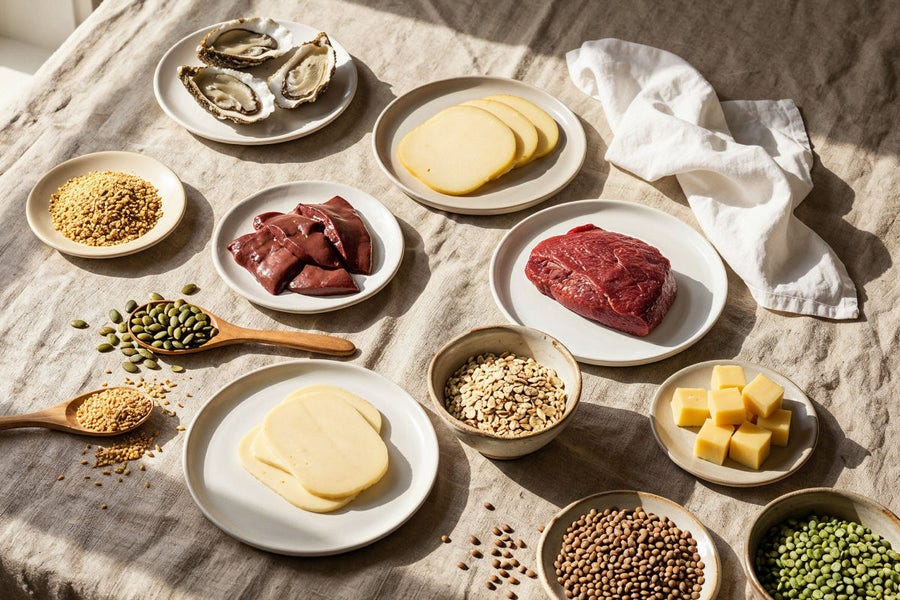
Zinc is available from a wide variety of animal and plant foods:
Oysters: An exceptionally rich source, providing roughly 28–32 mg of zinc per three-ounce serving.
Other animal sources: Shellfish, beef, pork, poultry, dairy, and eggs all provide zinc.
Plant sources: Pumpkin seeds, cashews, lentils, beans, oats, and whole grains also provide zinc. Phytates can reduce its absorption, although soaking, sprouting, and fermenting these foods may help.
Zinc supplements can also be used to maintain healthy levels. Up to 25 mg per day is generally well tolerated long-term, while 30–50 mg or more per day is sometimes used short-term in immune protocols.
Long-term high intake can contribute to copper deficiency and gastrointestinal upset. Preferred supplemental forms include zinc picolinate, citrate, or bisglycinate. Zinc supplements are best taken with food.
Important Considerations
Brewed green tea and dietary sources of zinc are generally well tolerated in ordinary amounts.
Concentrated EGCG extracts and high-dose zinc supplements require greater caution. Anyone with liver disease, significant medical conditions, or regular medications should consult a qualified healthcare professional before using concentrated EGCG or high-dose zinc supplements.
This article is for educational purposes only and is not a substitute for individualized medical advice.
References
Dabbagh-Bazarbachi H, Clergeaud G, Quesada IM, Ortiz M, O’Sullivan CK, Fernández-Larrea JB. Zinc ionophore activity of quercetin and epigallocatechin-gallate: from Hepa 1-6 cells to a liposome model. Journal of Agricultural and Food Chemistry. 2014;62(32):8085–8093. doi:10.1021/jf5014633. Link↗
Zinc, Ionophores and Long-Haul COVID. International Society for Orthomolecular Medicine. Link↗
Viral Infection??? Dr Sam Bailey et al. Virus Mania