


Recently, we explored how intermittent fasting naturally enhances autophagy, one of the body’s most important cellular repair mechanisms. Today, I’d like to share several nutrient-based supplements and repurposed medications that research suggests may further enhance autophagy and support healthier aging. While evidence varies between these compounds, many have demonstrated promising effects in laboratory and animal studies, and several are now being actively investigated in human clinical trials.
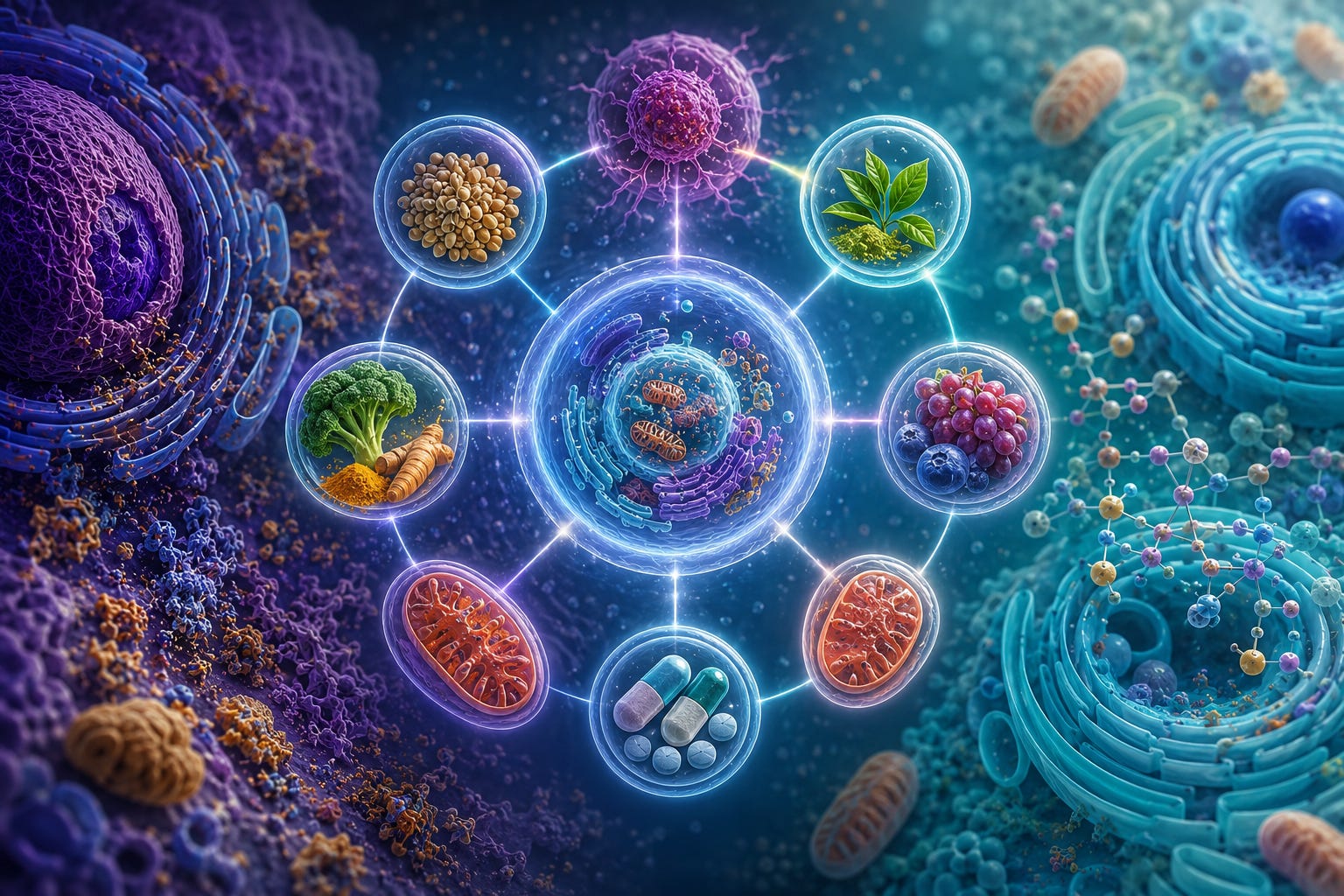
Many of these compounds work by influencing three key cellular pathways: mTOR, AMPK, and sirtuins. (If you want a better understanding of how these pathways work before reading about these supplements and medications, see the explanations at the bottom of this post. Otherwise, feel free to continue reading.)
Nutrient Supplements and Natural Compounds
These compounds are generally more accessible and tend to have milder effects than prescription medications. Many are naturally occurring polyphenols or polyamines found in foods and have shown promising autophagy-promoting effects in laboratory and animal studies, with some now being investigated in human clinical trials.
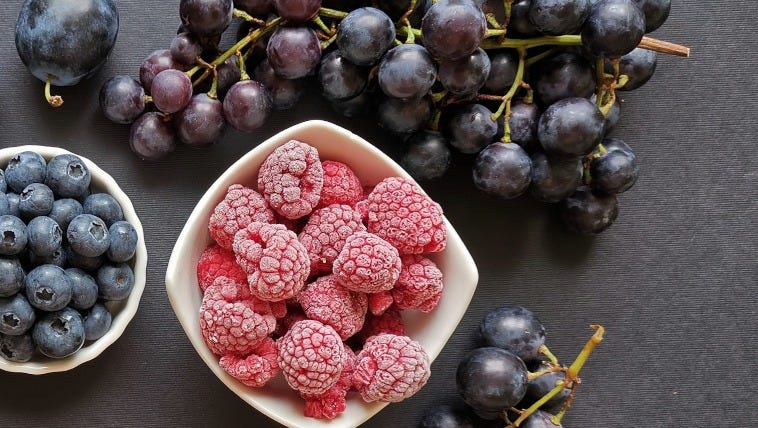
Resveratrol: Found in red wine, grapes, berries, and peanuts. Activates sirtuins (e.g., SIRT1) and can induce autophagy via multiple pathways. Popular in longevity research, though bioavailability can be an issue.
Spermidine: A polyamine (found in wheat germ, aged cheese, mushrooms, soybeans) that robustly induces autophagy. Linked to longevity, cardioprotection, and cognitive benefits in studies.
Quercetin and Fisetin: Flavonoids with senolytic (senescent cell-clearing) properties that also promote autophagy. Quercetin is in onions, apples, and capers; fisetin in strawberries.
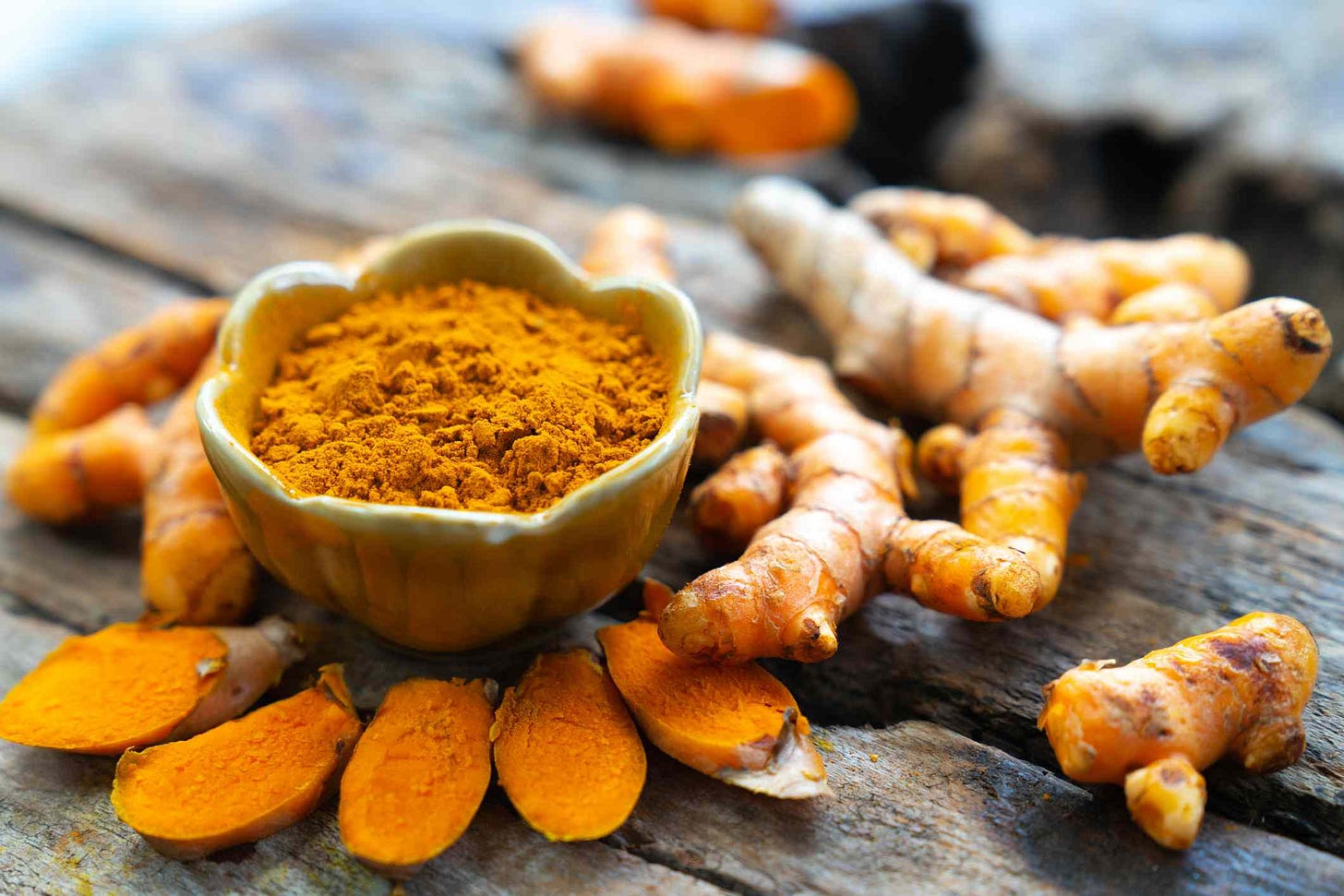
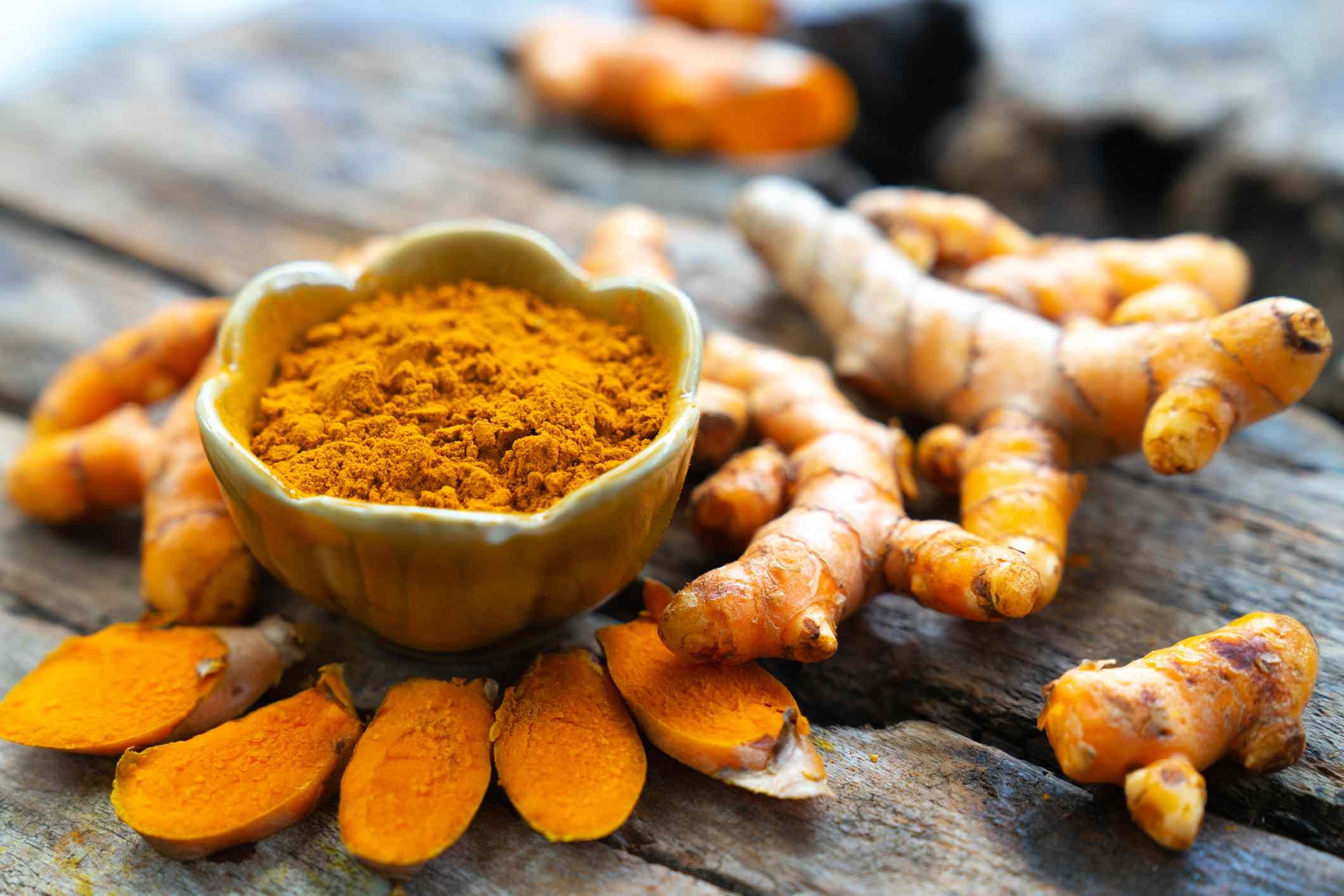
Curcumin (from turmeric): Activates autophagy pathways and has anti-inflammatory effects. Bioavailability is enhanced with piperine (black pepper) or special formulations.
EGCG (Epigallocatechin gallate from green tea): Promotes autophagy and has antioxidant properties.
Berberine: A plant alkaloid (used for blood sugar) that activates AMPK and induces autophagy, similar to metformin.
NAD+ precursors (e.g., NMN, NR): Support sirtuin activity, which can enhance autophagy indirectly, especially with aging-related NAD+ decline.
Others with emerging evidence: Vitamin D3, omega-3 fatty acids, trehalose, and certain alkaloids or plant extracts.
Prescription Medications
The following medications are among the most potent pharmacological activators of autophagy. They are typically prescribed under established medical conditions, but are now being investigated and used off-label by longevity-focused physicians and patients seeking to support healthy aging.
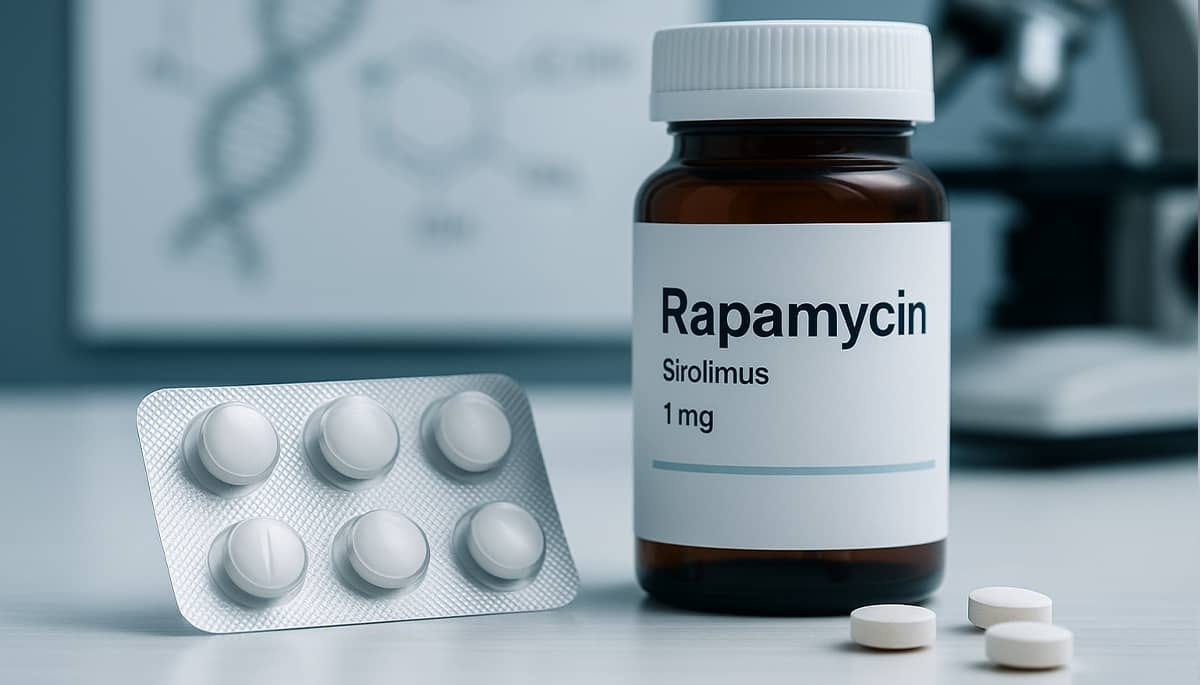
Rapamycin (Sirolimus) and Rapalogs: Rapamycin is considered the gold standard mTOR inhibitor. It strongly induces autophagy and has consistently extended lifespan and improved healthspan in animal studies. However, potential side effects include immune suppression, mouth ulcers, and metabolic changes.
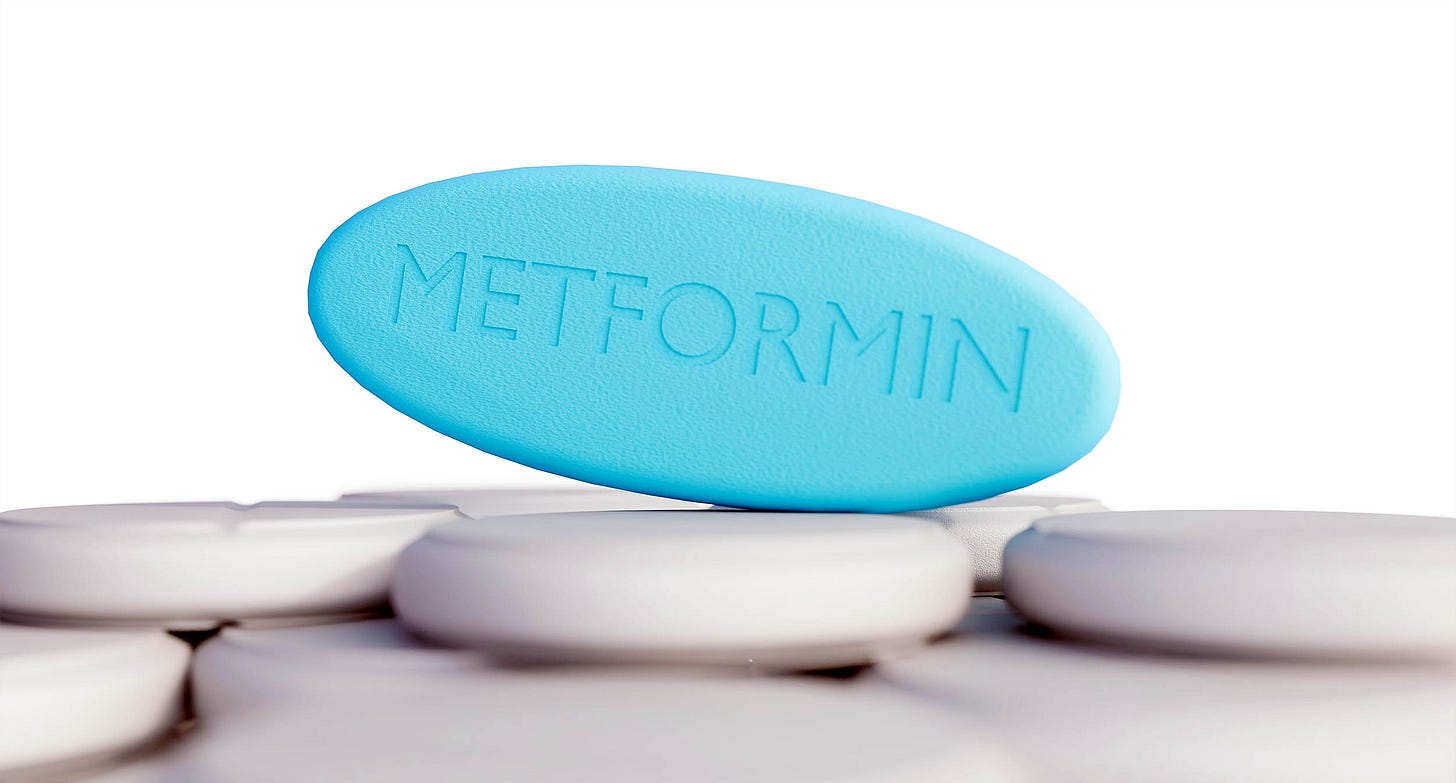
Metformin: A widely prescribed diabetes medication, metformin activates AMPK, which in turn inhibits mTOR and promotes autophagy. It mimics some of the effects of caloric restriction and is extensively studied for its potential role in healthy aging and metabolic health. Definitive evidence for longevity benefits in healthy individuals is still being established, but the current results are promising.
Other Medications: Several other prescription drugs, including some antihypertensives such as felodipine, have demonstrated autophagy-inducing effects in laboratory and animal studies.
Which health habits are most important to you?
We’ve added a quick poll below to see what our community is doing. Paid subscribers can leave comments. Please share your experiences, wins, challenges, or questions. I read every comment, and the community is usually very supportive. Your input also helps shape future content, so thank you in advance!
Important Considerations
These compounds work best alongside lifestyle practices that naturally promote autophagy, including intermittent fasting, regular exercise, adequate sleep, and, where appropriate, caloric restriction. While certain supplements and prescription medications are being actively studied for their potential to enhance this process, research is still evolving, and these interventions are not appropriate for everyone. Please consult a qualified healthcare professional before making significant dietary changes or starting new supplements or prescription medications.
Stay tuned. We will continue to follow the latest developments and share new findings as they emerge.
Optional Reading
For those who wish to delve deeper, the following explanations are focused on the science behind the processes that many supplements and repurposed drugs useful for autophagy target:
mTOR Protein
mTOR (mechanistic Target of Rapamycin) is one of the body’s most important proteins for regulating cell growth and metabolism. It acts like a master control switch, constantly assessing whether a cell has enough nutrients, energy, and growth signals to support growth and repair.
Simple Explanation
mTOR is a large enzyme found inside our cells. Its role is to sense the availability of nutrients, energy, and growth signals, such as insulin and amino acids from the food we eat. When these resources are plentiful, mTOR becomes active and tells the cell that conditions are favourable for growth.
When mTOR is switched on, it encourages cells to:
Grow larger
Produce more proteins
Divide and multiply
Store excess energy, such as in the form of fat
When nutrients or energy become scarce, however, such as during fasting or exercise, mTOR activity decreases. Instead of prioritizing growth, the cell shifts into a maintenance mode. One of the most important processes that becomes more active during this time is autophagy, the cell’s natural recycling system, which removes damaged components so they can be repaired or reused.
Why It Matters
mTOR can be considered the cell’s “gas pedal” for growth. While growth is essential for health, healing, and normal function, excessive mTOR activity over long periods, as may occur with continual nutrient abundance, has been linked to aging, cancer risk, and metabolic disorders.
Many of the lifestyle strategies and compounds discussed in this article, including fasting, exercise, rapamycin, and metformin, appear to promote autophagy at least in part by reducing mTOR activity.
In short: mTOR is a nutrient sensor that helps determine whether a cell should focus on growth when resources are abundant or cleaning and repair when resources are limited. Maintaining a healthy balance between these two states is thought to be an important part of healthy aging.
AMPK and Sirtuins
AMPK (AMP-activated protein kinase) and sirtuins are two important families of proteins that act as the cell’s energy sensors and regulators. Together, they help control metabolism, stress responses, autophagy, and many of the processes involved in healthy aging.
AMPK (AMP-Activ and Sirtuinsated Protein Kinase)
AMPK is an enzyme that constantly monitors the cell’s energy supply. It becomes activated when energy levels fall, such as during exercise, fasting, or caloric restriction. Specifically, it responds when molecules that signal low energy become more abundant relative to the cell’s main energy currency, ATP.
Once activated, AMPK helps restore the cell’s energy balance in two important ways.
First, it increases processes that produce energy. These include improving glucose uptake, increasing the breakdown of fatty acids, and stimulating autophagy, allowing damaged cellular components to be recycled.
Second, it slows down processes that consume large amounts of energy. These include protein production, fat synthesis, and cell growth. One of the main ways it does this is by inhibiting mTOR, the pathway that promotes cellular growth.
AMPK activation is believed to underlie many of the health benefits associated with exercise and fasting. It supports healthy mitochondrial function, helps reduce inflammation, promotes autophagy, improves insulin sensitivity, and has been linked with healthier aging.
A useful way to think about AMPK is as the cell’s “low battery” alarm. When energy is running low, it temporarily shifts the cell away from growth and toward conservation, repair, and recycling.
Sirtuins
Sirtuins are a family of proteins that help regulate many of the cell’s long-term maintenance and repair processes. Unlike AMPK, they require a molecule called NAD+ to function. NAD+ is a coenzyme (meaning an organic, non-protein molecule that binds to enzymes to facilitate chemical reactions). It plays an important role in energy metabolism and naturally declines with age.
The best-studied member of this family is SIRT1, which becomes more active during caloric restriction and other low-energy states. Sirtuins help regulate gene expression, DNA repair, inflammation, metabolism, and the cell’s response to stress. They have also demonstrated autophagy-promoting effects in laboratory studies, encourage the formation of healthy new mitochondria, and interact closely with both AMPK and mTOR.
Because of these roles, sirtuins are often referred to as “longevity proteins.” Their activity has been associated with many of the benefits of caloric restriction, regular exercise, and compounds such as resveratrol. They also help support metabolic health, reduce oxidative stress, and strengthen the cell’s natural repair systems.
How AMPK and Sirtuins Work Together
AMPK and sirtuins are closely connected and often reinforce one another. AMPK can increase NAD+ levels, which helps activate sirtuins, while sirtuins can in turn help activate AMPK. Together, they form a positive feedback loop that strengthens the cell’s ability to respond to periods of low energy.
Both AMPK and sirtuins promote autophagy by reducing mTOR activity and activating proteins that initiate the autophagy process. For this reason, they have become major targets in longevity research, as activating these pathways appears to reproduce some of the beneficial effects of healthy lifestyle habits, such as exercise and fasting.
In short: AMPK is the cell’s immediate energy sensor, shifting it into a “save and recycle” mode when energy is low. Sirtuins act over the longer term, fine-tuning metabolism, repair, and gene activity to improve resilience and support healthy aging.
Thank you Dr Trozzi for putting this information in "laymans" terms so it is understandable and accessible to those of us who are seeking this good advice for personal health...