


Every second of every day, your body is making thousands of decisions: repair this cell, recycle that component, remove a damaged cell entirely.
This constant maintenance is essential for staying healthy. When it works well, you maintain youthful tissues, control inflammation, support immune function, and lower the risk of chronic disease. When it falters, damaged cells accumulate, inflammation rises, and resilience slowly declines.
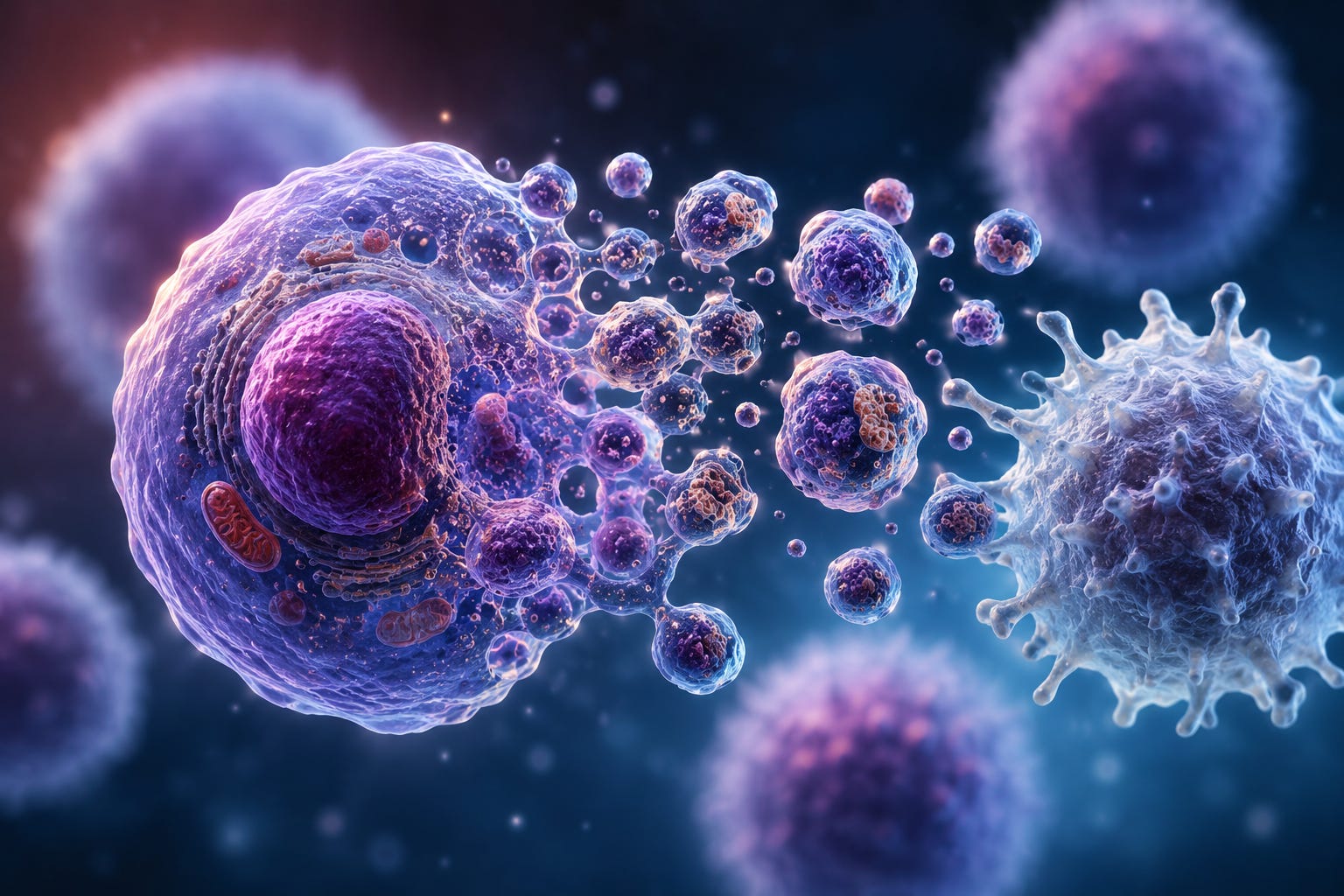
More people are becoming aware of autophagy — the fasting-enhanced process by which cells recycle their own worn-out internal components. But autophagy is only one member of the body’s sophisticated cellular housekeeping system.
Today, we are exploring what happens when an entire cell reaches the end of its useful life.
When a Cell Has Become a Burden
Healthy tissues require a careful balance: building new cells while removing old or damaged ones.
Cells can become dysfunctional through normal aging, DNA damage, toxins, infections, oxidative stress, or simply years of wear and tear. Rather than letting these cells linger and cause harm, the body has evolved elegant systems to honorably discharge them.
The ideal outcome is apoptosis — programmed cell death.
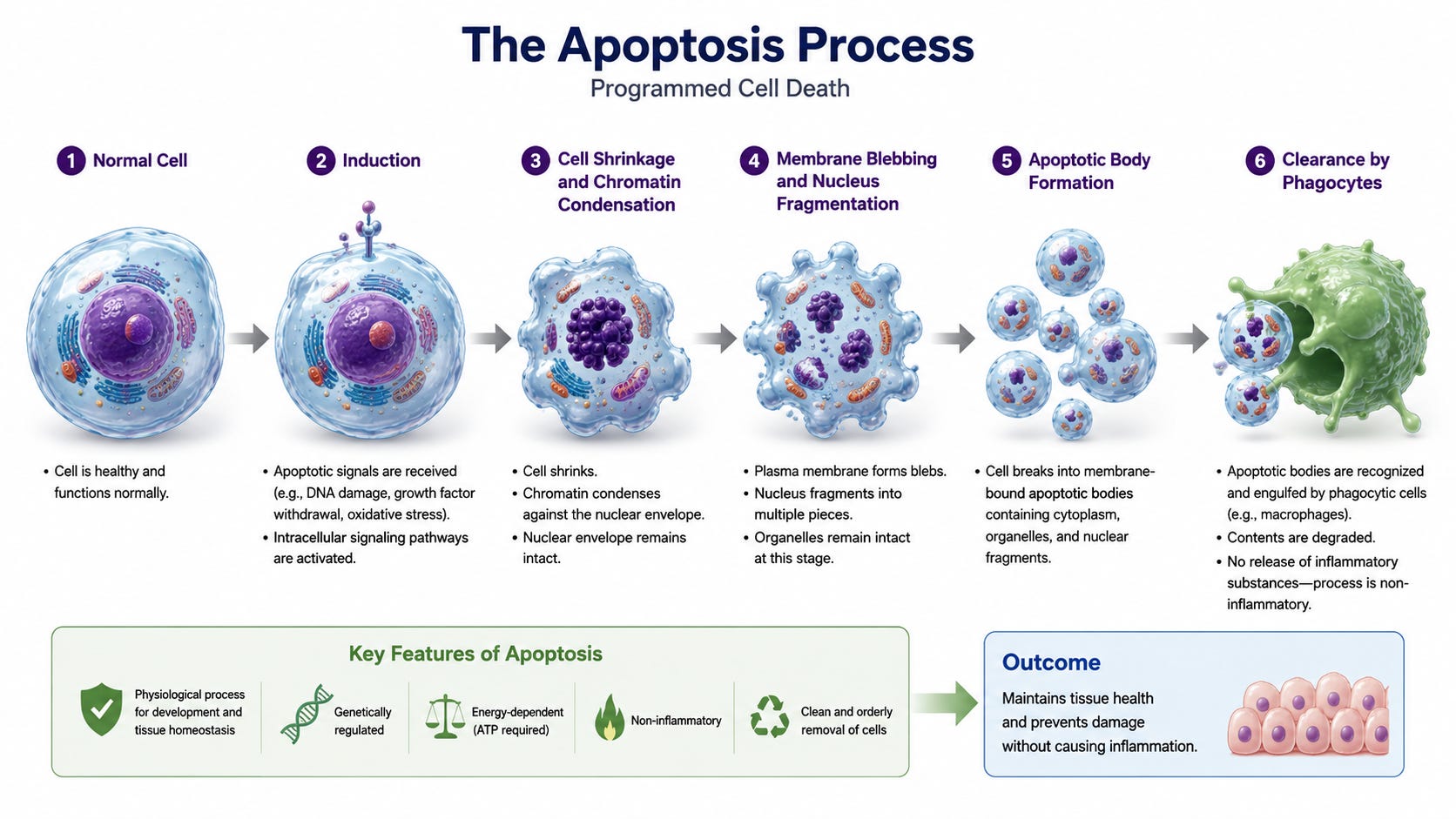
Apoptosis is calm and controlled. The cell quietly dismantles itself in an orderly fashion: its DNA is broken down, the cell shrinks into small membrane-bound fragments, and nearby cells or specialized immune cells clean up the remains with remarkably little inflammation.
It is like a carefully planned demolition in which reusable materials are salvaged and the site is left clean.
Vital for maintaining healthy tissue, this process occurs continuously throughout life to renew the body and repair from harm.
What Happens When Cells Refuse Apoptosis?
Not every damaged cell follows this ideal path. Some enter a state called cellular senescence.
These cells stop dividing but don’t die. They remain metabolically active while contributing little to the tissue. Because they resist apoptosis, researchers often call them “zombie cells.”
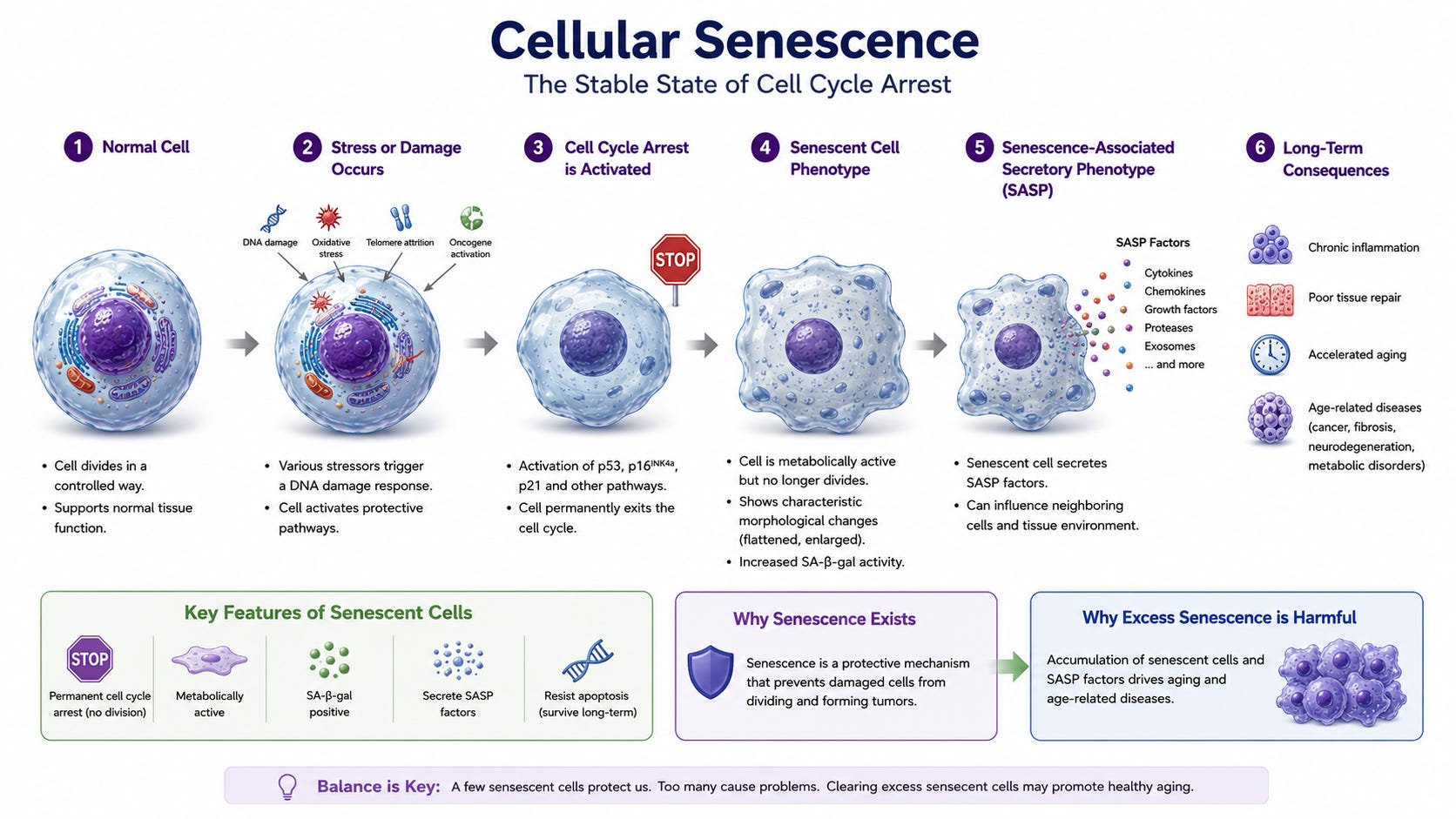
Making matters worse, senescent cells progressively, and to varying degrees, secrete toxic substances. This has earned them the name “Senescence-Associated Secretory Phenotype” (SASP). The biologically active molecules they secrete include:
Pro-inflammatory cytokines (e.g., IL-1α, IL-1β, IL-6, IL-8, TNF-α)
Chemokines (which recruit immune cells)
Growth factors (e.g., IGFBPs, VEGF)
Proteases (e.g., matrix metalloproteinases, or MMPs, which remodel the extracellular matrix)
Other factors such as bioactive lipids, exosomes/microvesicles containing miRNAs, DNA fragments, and more
These molecules can:
Damage neighboring healthy cells
Promote chronic inflammation
Impair tissue repair
Accelerate biological aging
Contribute to many age-related diseases
In small numbers, senescence can be protective — helping prevent cancer or aid wound healing. The problem arises when these cells accumulate faster than the body can clear them.
Your Immune System Is the Cleanup Crew
Fortunately, apoptosis isn’t the only defense.
Your immune system constantly patrols for abnormal or senescent cells. Natural killer cells, macrophages, and T cells recognize dysfunctional cells and remove them.
In youth, this surveillance system works remarkably well. With age, chronic illness, poor lifestyle, and persistent inflammation, it weakens. More zombie cells survive. More inflammation builds. The cycle accelerates.
This is one reason chronic inflammation rises with age — and why healthy cellular turnover is increasingly viewed as a foundation of longevity.
Autophagy, Apoptosis, and Senescence
These terms are important to know:
Autophagy recycles damaged components inside a living cell.
Apoptosis removes an entire damaged cell in an orderly way.
Senescence is when a damaged cell refuses to die and instead lingers, waiting to be cleared by the immune system.
Ideally, damaged cells undergo apoptosis before becoming senescent. Supporting healthy apoptosis helps prevent the buildup of inflammatory zombie cells.
Practical Ways to Support Healthy Cellular Renewal
While pharmaceutical senolytics are being studied, the strongest evidence today points to simple lifestyle practices that support your body’s natural systems — and improve health in many other ways:
Exercise
Regular physical activity is one of the most powerful interventions. It reduces oxidative stress, improves mitochondrial function, enhances immune surveillance, lowers chronic inflammation, and promotes healthy cellular turnover. Both aerobic and resistance training help.
Nutrition
A nutrient-dense, anti-inflammatory diet reduces the cellular damage that leads to senescence. Focus on polyphenol-rich foods such as berries, onions, apples, leafy greens, olive oil, green tea, and colorful vegetables. Optimized vitamin D, omega-3 fats, zinc, fiber, and a healthy gut microbiome also support balanced immune function.
Periods of Fasting
Intermittent fasting and time-restricted eating have attracted strong scientific interest. They activate autophagy, improve metabolic flexibility, reduce oxidative stress, and enhance immune function. While not appropriate for everyone, many people benefit from a 10–12 hour or shorter daily eating window. Start gradually and personalize.
Sleep and Stress Management
Poor sleep and chronic stress promote inflammation and impair immune surveillance. Consistent restorative sleep and stress reduction support the body’s ability to repair and maintain effective cellular cleanup.
Small Choices, Big Outcomes
These processes happen silently. You don’t feel apoptosis or autophagy at work. Yet they constantly shape your long-term health.
Every walk, nutritious meal, good night’s sleep, and moment of reduced stress helps tip the balance toward healthy renewal rather than accumulation of dysfunctional cells.
The goal isn’t just living longer — it’s preserving well-functioning tissues for as many years as possible for a better quality of life.
Our bodies already have extraordinary repair systems. Our goal should be to create the conditions that allow them to work as designed.
Please Share Your Experiences
We’ve included a short poll below to learn more about our community’s experiences. Paid subscribers are also invited to join the discussion in the comments. We’d love to hear your thoughts, successes, challenges, or questions. I read every comment personally, and our community is consistently thoughtful and encouraging. Your feedback also helps guide future articles, so thank you for being part of the conversation.
Important Considerations
Apoptosis is one of the body’s essential repair mechanisms. Supporting this natural process through healthy lifestyle habits may promote metabolic health, improve resilience, and support healthy aging. However, prolonged fasting and major dietary changes are not suitable for everyone. People with diabetes, those who are pregnant or breastfeeding, individuals who are underweight, and anyone with significant medical conditions should consult a qualified healthcare professional.
Stay tuned for more details in the weeks ahead on how you can enhance your apoptosis with lifestyle, nutrient supplements, and repurposed medications.
Hi Mark
I thought I would share the following info with you. Where the absolute truth lies I do not know.
My ND who specializes in gut health and nutrition has advised that Zinc SAP (w/ copper) should be taken for 2 or 3 weeks at change of season. He is cautious with Vitamin D3 /K2 supplementation (in my case 2,000 UI daily) because it is a hormone.
My former MD now specializing in metabolic medicine (metabolic issues are at an epidemic levels world wide and people don't know this) has advised that ranges for blood test are often wrong. A case in point: A1C range: if someone is at risk, he advises they are actually pre-diabetic, and if pre-diabetic they are diabetic). The range needs to be lowered. The solution: not drugs but lifestyle changes along the lines you suggest (nutrition, exercise, hydration, whole foods...).
However I would suggest that people avoid sugar (not just excessive sugar) at all costs at least to start with.There is a link to cholesterol, heart disease, etc. Tests that regular MDs don't request but are very important are: Apolipoprotein B, Lipoprotein A, Insulin fasting (investigation of carbohydrate metabolism), Homcysteine, High-Sensitivity CRP (hs-CRP). Robert Lufkin MD, Dr. Jason Fung and other MDs who have broken with the mainstream medical establishsment) are also addressing issues of metabolism.
I keep track of the glycemic load of foods and it has completely changed in my life. I don't feel tired anymore. When we talk about sugar - there is glucose, fructose and sucrose. Nutrition is a very complicated field...
I hope this information may be useful and that it is correct.
Warm wishes,
Lynne