


Since the emergence of SARS-CoV-2, scientific attention has focused intensely on the virus’s spike protein, the protruding structure that enables viral attachment to and entry into human cells. The spike protein is central not only to infection itself, but also to many downstream biological effects associated with COVID-19 and exposure to spike-based technologies. As a result, researchers have examined whether certain naturally occurring compounds might interact with, modify, or limit spike-related activity.
At the same time, the pandemic response departed sharply from long-established principles of immunology in late 2020. Rather than prioritizing early treatment, immune support, and direct targeting of the spike protein using historically safe, low-cost, and widely available repurposed drugs and nutraceuticals, public health policy pursued widespread spike-based injections during an active global outbreak These interventions relied on reprogramming human cells to produce spike protein internally, a strategy whose long-term biological consequences were insufficiently studied at the time.
As troubling as this approach has proven to be for many, an unintended consequence has been a growing body of research that has helped clarify spike protein pathology. This emerging knowledge has, in turn, informed the search for potential strategies to mitigate spike-related harm and support recovery in individuals affected by injection-related injury or spike protein exposure.
What is the Spike Protein?
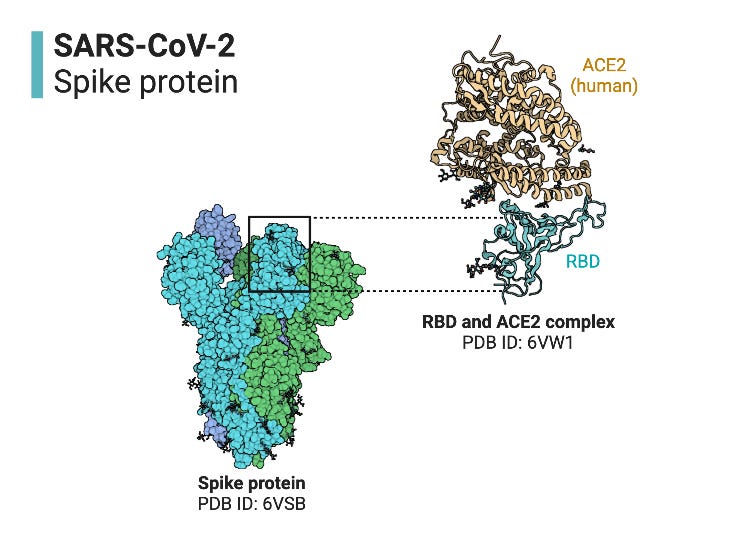
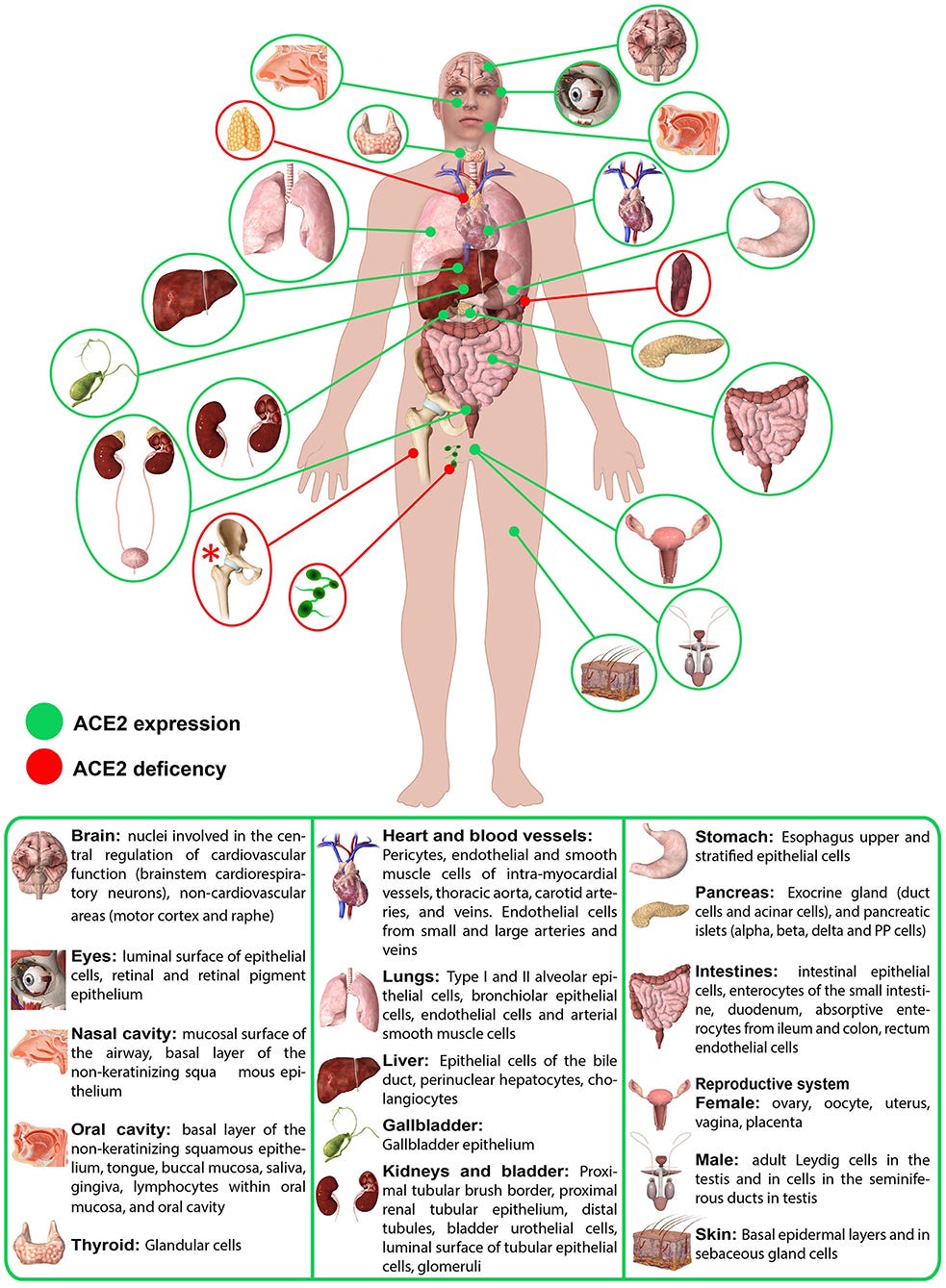
The spike protein is the component of the coronavirus responsible for attaching to ACE2 receptors, which are found on cells throughout several major organ systems. Under normal physiological conditions, ACE2 plays a protective role in regulating blood pressure, fluid balance, and inflammatory signaling. During infection, however, the virus exploits this receptor as a point of entry. Through its receptor-binding domain (RBD), the spike protein binds tightly to ACE2, enabling the virus to enter the cell and initiate infection. Because ACE2 receptors are widely distributed across the lungs, blood vessels, heart, gastrointestinal tract, kidneys, nervous system, and reproductive organs, spike-related interactions are not confined to the respiratory system. This broad expression helps explain the multi-system nature of spike-associated effects following “vaccination”, and why symptoms of spike-protein poisoning are so diverse.
I am collaborating with Villa Health Center in Florida and an exceptional lead research team to analyze a dataset of more than 4,000 patients, spanning pre-COVID and post-COVID periods, with the aim of advancing our understanding of spike protein–associated pathology. You can learn more about and support this research here. If you are interested in reviewing currently understood mechanisms of harm and examining 44 documented examples of COVID injection–related disease, I recommend the following resource:

Biological mechanisms of Bromelain
Bromelain is a mixture of proteolytic enzymes. A proteolytic enzyme breaks down proteins by cleaving the peptide bonds that hold amino acids together, thereby modifying or degrading protein structures. Bromelain is extracted from the stem (and sometimes the fruit) of the pineapple plant and has a long history of use in both medicine and nutrition. It is best known for its anti-inflammatory, anti-edematous, and protein-modifying properties. As a protease, bromelain functions by cleaving peptide bonds, allowing it to break down proteins and alter protein-based structures.
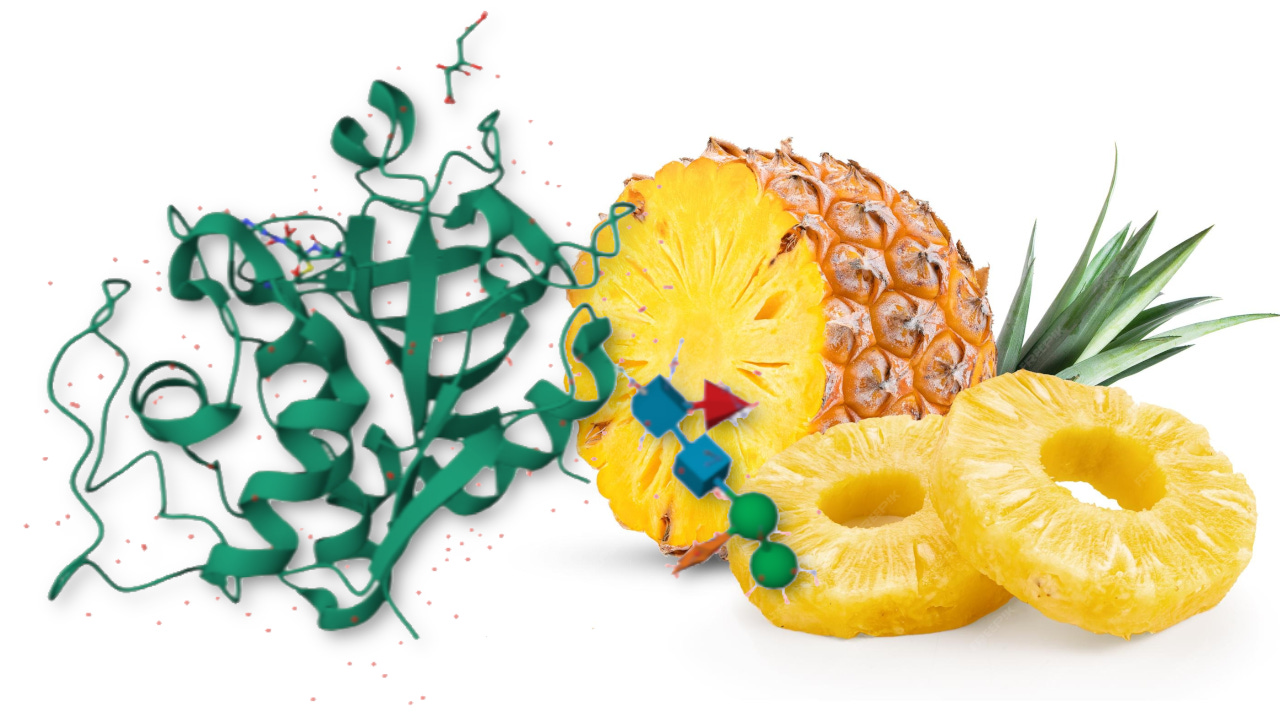
In laboratory and preclinical research unrelated to COVID-19, bromelain has been shown to alter the expression and/or availability of certain cell-surface proteins, degrade glycoproteins and protein complexes, influence inflammatory signaling pathways, and affect platelet aggregation and fibrin breakdown. While these effects are not virus-specific, they establish bromelain as a biologically active compound capable of interacting with protein-dependent systems, including systems relevant to inflammation and, potentially, to receptor-mediated processes such as viral entry.
Known Health Benefits of Bromelain
As we have established, Bromelain can alter the availability of certain cell-surface proteins and glycoproteins, a property that underlies many of its biological effects. This non-specific protein interaction is one reason bromelain has been explored in diverse research contexts, including inflammation, infection biology, and tissue repair. Let’s take a look at its health benefits:
Anti-inflammatory support
Bromelain is best known for its ability to help modulate inflammation. In preclinical models, it has been shown to influence inflammatory mediators and signaling pathways involved in swelling, pain, and tissue irritation. For this reason, it has been used as a supportive therapy in inflammatory conditions and post-injury recovery.
Reduction of swelling and edema
Bromelain is widely described as having anti-edema (anti-swelling) properties, and it has been studied for its potential to reduce tissue swelling in certain settings. For this reason, it has been used and investigated as a supportive option in recovery after some surgical procedures and in select trauma or soft tissue injury contexts, although results vary across studies.
Digestive support
As a proteolytic enzyme complex, bromelain can assist in the breakdown of dietary proteins and has been used to support digestion. In vitro studies suggest that bromelain may also modulate inflammatory responses in gastrointestinal models, which could be relevant to digestive comfort, although clinical confirmation is needed.
Cardiovascular and circulatory effects
Studies suggest bromelain may help:
Reduce platelet aggregation
Support healthy blood flow
Influence fibrin breakdown
These effects are associated with maintaining normal circulation and vascular health.
Immune and respiratory support
Bromelain has been studied for its ability to:
Modulate immune cell activity
Reduce mucus viscosity
Support sinus and respiratory comfort
It has been used as an adjunct in sinusitis and upper respiratory conditions.
Musculoskeletal recovery
Because of its anti-inflammatory and anti-edema effects, bromelain has been used and studied as a supportive adjunct for muscle recovery, joint comfort, and symptom relief following physical exertion or soft-tissue injury.
How Does Bromelain Interact With the Spike Protein?
Bromelain is not expected to act via highly specific epitope-binding the way an antibody or a drug designed to bind a single molecular target would. Instead, its proposed relevance to spike biology stems from its proteolytic, protein-modifying activity. Any interaction is therefore primarily indirect, non-specific, and structural, rather than dependent on precise binding to a single epitope.
This mechanism differs from compounds such as ivermectin and quercetin, which have been examined in experimental and computational studies for their ability to bind directly to the spike protein’s receptor-binding domain (RBD), the region responsible for engaging the ACE2 receptor on human cells.
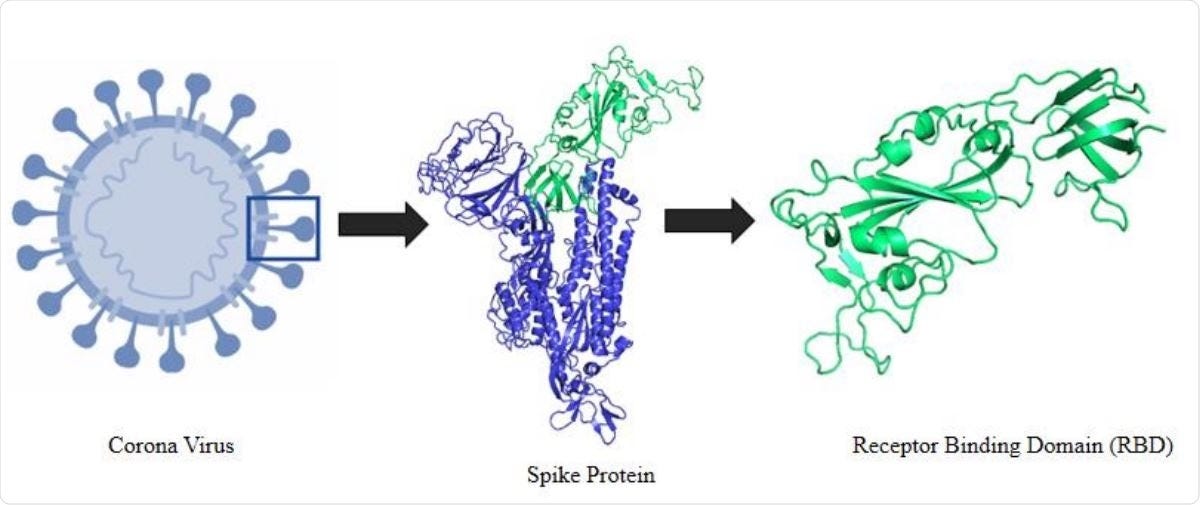
The coronavirus spike protein is a large, complex glycoprotein that must maintain a precise three-dimensional structure to remain functional. It is inherently protease-sensitive, meaning that disruption or cleavage at specific sites can impair its ability to bind receptors and facilitate viral entry.
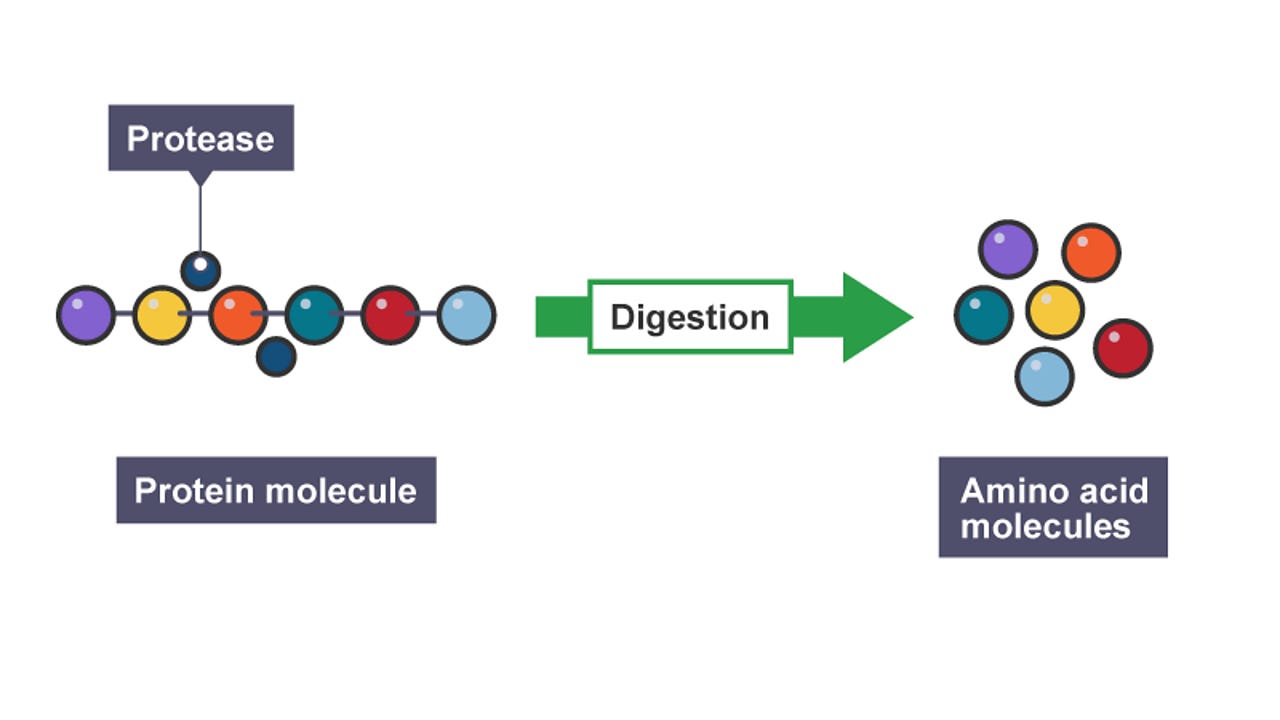
Bromelain is a proteolytic enzyme complex capable of cleaving peptide bonds in proteins. In laboratory settings, bromelain has been shown to modify or degrade protein structures exposed on cell and some viral surfaces. When applied in vitro, this activity is consistent with:
Partial degradation of external domains of the spike protein
Disruption of the structural integrity required for effective receptor binding
When the spike protein’s structure is altered, its capacity to attach to ACE2 receptors may be reduced.
Viral entry also depends on host cell factors. Laboratory research suggests bromelain may further interfere with spike-mediated entry by reducing the availability or surface expression of ACE2 and other entry-related proteins on host cells. While these effects are not highly selective in the manner of pharmaceutical inhibitors, they are biologically plausible given bromelain’s established ability to modify cell-surface proteins and glycoproteins.
Importantly, bromelain’s proposed action is structural rather than sequence-specific. It does not rely on recognizing a particular spike mutation or variant, but instead acts on protein conformation and integrity more broadly.
It should be emphasized that evidence supporting bromelain–spike interactions comes primarily from cell culture and biochemical studies, not from large, controlled human trials. As such, these findings support mechanistic plausibility rather than established clinical efficacy. However, as this area of research gains greater attention, there is reason to hope that deeper scientific confirmation will follow.
Your Support Can Turn Rigorous Research Into Real-World Recovery
We are preparing to include bromelain in an upcoming supplement formulation alongside more than twenty fully dosed, premium-quality, organic bioactive compounds, carefully selected to support spike detoxification and comprehensive whole-system resilience. This formulation reflects years of research, months of formulation work, and an unwavering commitment to doing this properly, without shortcuts or compromises.
We are building this effort on a lean budget and now need the community’s help to raise the capital required for manufacturing, infrastructure, and a small but dedicated team capable of delivering these formulations internationally at prices people can afford. Thanks to your support, we have already secured nearly 20 percent of the startup costs.
Please stay with us and help carry this mission across the finish line. Together, we can make available a robust, principled detox kit designed to help individuals and families recover, regain strength, and move forward with confidence in uncertain times.


I made the mistake of putting raw pineapple in my sliced ham once for Easter dinner. It caused the ham to partially liquify into mush, ruining the nice dinner. That's how powerful this enzyme is.
Next time I'll have the pineapple for desert.
Thank you for this most informative article and the opportunity to support this important work.