


Friends, it pains me to bring more difficult news, but we must confront reality directly and respond with courage. If we look away now, we risk allowing further harm to unfold as those impacted by the COVID-19 injection campaign, and even those exposed through shedding, continue to face mounting illness and despair.
We are not without options. There are solutions emerging, and we are advancing serious, evidence-based, grassroots action. But this is not a spectator sport. Each of us has a role. Share the information. Educate yourself thoroughly. Take steps to support healing within your family and your community. We are the ones we’ve been waiting for.
I will attach key resources to help you understand what is happening and what can be done. First, however, we must take an unflinching look at the situation before us. Years after the rollout of these injections, this crisis is not behind us. We are witnessing a surge of novel illnesses and poorly recognized conditions. Meanwhile, many of the same medical authorities and regulatory bodies that enabled this catastrophe remain belligerent and unwilling or unable to provide meaningful solutions. They offer “medical assistance in dying” instead of empathy and effective treatment.
The “vaccine” rollout began in December 2020, but injection victims’ own cells are still producing spike protein. People are suffering. Anyone who thinks that this is over needs to take their head out of the sand.
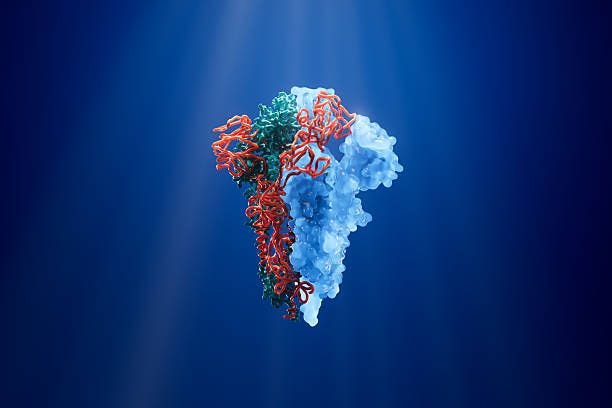
Emerging research and clinical observations continue to raise serious concerns about persistent spike protein production after COVID-19 mRNA “vaccination,” including genomic integration, chronic immune dysregulation, and the rife misclassification of many injection injuries as “long COVID.” Meanwhile victims are presenting with a thousand different old diagnoses with skyrocketing rates of incidents, and the patients are being treated in complete ignorance of the new underlying pathophysiology. What was promoted as a safe and temporary medical intervention is producing long-term biological effects, sweeping and ubiquitous novel diseases, and death.
Study One:
Unprecedented Persistence of Vaccine mRNA, Plasmid DNA, Spike Protein, and Genomic Dysregulation Over 3.5 Years Post-COVID-19 mRNA Vaccination
Nicolas Hulscher, MPH; Vanessa Schmidt, PhD; Michael Mörz, MD; Claire Rogers, PA-C; Natalia von Ranke, PhD; Wei Zhang, PhD; John A. Catanzaro, ND, PhD; Peter A. McCullough, MD, MPH
This paper presents a longitudinal case study examining prolonged persistence of “vaccine”-derived material following COVID-19 mRNA vaccination. A 55-year-old male developed progressive multi-system dysfunction after three Pfizer–BioNTech doses and underwent extensive evaluation that excluded infectious, autoimmune, malignant, and other conventional causes. Repeated testing confirmed absence of SARS-CoV-2 nucleocapsid antibodies, ruling out prior infection. More than three years post-“vaccination”, independent laboratories detected circulating spike protein, vaccine-derived mRNA sequences, and plasmid DNA elements in blood and tissue samples. Multi-omic analyses revealed genomic instability, immune dysregulation, and inflammatory signaling, raising important questions about long-term biological persistence and clinical implications.
Study Two:
Immunological and Antigenic Signatures Associated with Chronic Illnesses after COVID-19 Vaccination
Bornali Bhattacharjee; Peiwen Lu; Valter Silva Monteiro; Alexandra Tabachnikova; Kexin Wang; William B. Hooper; Victoria Bastos; Kerrie Greene; Mitsuaki Sawano; Christian Guirgis; Tiffany J. Tzeng; Frederick Warner; Pavlina Baevova; Kathy Kamath; Jack Reifert; Danice Hertz; Brianne Dressen; Laura Tabacof; Jamie Wood; Lily Cooke; Mackenzie Doerstling; Shadan Nolasco; Amer Ahmed; Amy Proal; David Putrino; Leying Guan; Harlan M. Krumholz; Akiko Iwasaki
This study examines immunological and antigenic features associated with chronic symptoms reported after COVID-19 “vaccination”, often termed “post-vaccination syndrome” (PVS). In a cross-sectional case-control analysis of 42 individuals with PVS and 22 “vaccinated” healthy controls enrolled in the Yale LISTEN study, participants were evaluated a median of approximately 585 days after their most recent “vaccine” dose in the PVS group. Symptom onset frequently occurred within days of injection, with many reporting persistent illness lasting months to years.
Immune profiling revealed reduced memory and effector CD4 T cells, increased TNFα-producing CD8 T cells, altered monocyte and dendritic cell populations, and detectable circulating spike protein in a subset of participants up to 709 days post-“vaccination”. Evidence of Epstein-Barr virus reactivation and distinct auto-antibody patterns was also observed. Machine learning analyses identified immune signatures distinguishing PVS from controls, generating hypotheses for further investigation.
Take Action
Please review these resources carefully and empower yourself to support healing within your family and community.
1. Block Spike Proteins
Blocking the spike protein’s receptor binding domain is a central component of spike detoxification strategy. Certain molecules can bind to the RBD, preventing the spike protein from attaching to ACE2 receptors and thereby helping to reduce downstream inflammatory and autoimmune sequelae. Ivermectin has, to date, demonstrated the strongest binding potential in this regard and first gained attention during the COVID-19 crisis as a therapeutic candidate. It remains an important part of the toolkit where accessible. In regions where ivermectin is restricted, alternative compounds may be considered, though they appear less potent. Quercetin, a natural flavonol found in fruits and vegetables and widely available as a supplement, has shown RBD binding potential in in silico analyses.
Learn More:

2. Break Down Spike Protein
Nattokinase is a purified enzyme derived from natto, a traditional Japanese food made by fermenting soybeans with Bacillus subtilis (often called Bacillus natto). Despite its name, nattokinase is not a kinase but a serine protease, meaning it breaks peptide bonds within proteins. Proteins, including the SARS-CoV-2 spike protein, are chains of amino acids folded into precise three-dimensional structures. Serine proteases such as nattokinase cleave these bonds, breaking proteins into smaller fragments for reuse or elimination. Similarly, bromelain, a proteolytic enzyme from pineapple, has demonstrated in vitro ability to degrade spike protein and disrupt its receptor-binding structure.
Learn more:


3. Clear Spike Proteins from the Body
Autophagy is an intrinsic cellular process through which the body identifies, dismantles, and recycles damaged or unnecessary components, including aberrant proteins. It operates as a highly regulated internal cleanup and renewal system. When autophagic activity increases, cells become more efficient at clearing accumulated protein fragments and other cellular debris. One of the most reliable ways to stimulate this process is through intermittent fasting. In the absence of incoming nutrients, the body shifts toward utilizing internal stores, including aging or dysfunctional proteins, for energy and raw materials. This metabolic shift promotes cellular housekeeping, helps reduce inflammatory burden, and supports overall tissue maintenance and repair.
Learn More:

4. Break Down Blood Clots
Nattokinase is also a fibrinolytic enzyme, it helps break down fibrin, the structural protein involved in blood clot formation, which underlies many of its cardiovascular applications. Because abnormal clotting and microvascular injury play a central role in many adverse effects linked to COVID injections and spike protein exposure, nattokinase has drawn interest as a supportive strategy.
Learn More

5. Check your Vitamin D Levels
Vitamin D serves as a key regulatory hormone in the body, shaping immune responses, maintaining skeletal integrity, influencing gene expression, and supporting metabolic balance. Optimizing vitamin D status is one of the most practical and impactful strategies for strengthening overall health and enhancing resilience to illness. Despite its importance, deficiency remains widespread due to predominantly indoor lifestyles and reduced sun exposure, particularly in northern climates. This pattern is reversible. With intentional sunlight exposure when feasible, along with thoughtful dietary choices and appropriate supplementation, vitamin D levels can be effectively corrected and sustainably maintained.
Learn More:

I will be sharing guidance soon on which diagnostic tests can help assess the severity of spike-related toxicity and any ongoing spike protein production.
As many of you know, the Trozzi Team is developing a comprehensive nutraceutical formulation grounded in my research. Progress has taken longer than anticipated due to limited funding, and significant work remains ahead. That said, I am deeply grateful to those who have stepped forward to support this effort by raising 30% of the startup costs. We will not stop until this product is available, affordable, produced, and distributed without compromise. To those who have supported our fundraising campaign, I extend my sincere gratitude. If you are in a position to contribute and have not yet done so, your support would make a meaningful difference in helping us bring this product to market.
Gratitude Dr. Trozzi for your relentless pursuit of the truth, your tireless work and your moral compass.
We appreciate you.
Thank you Dr. Trozzi for all the information you share. I'm grateful for you and your team for working so hard for all of us. Thanks also for Wins of the Week.